 TOOL HUNTER

Table of Contents
- Can You Sleep with Face Mask On? The Complete Guide to Overnight Masking
- Can You Sleep with Face Mask On? The Short Answer
- Benefits of Sleeping with a Face Mask
- Risks and Considerations: What Not to Do
- How to Use an Overnight Face Mask Correctly
- PDRN Overnight Masks: A Closer Look
- Frequently Asked Questions
Can You Sleep with Face Mask On? The Complete Guide to Overnight Masking
If you’ve ever stood in front of the mirror, mask freshly applied, wondering can you sleep with face mask on — you’re not alone. Overnight masking has surged in popularity, but not every face mask is designed to stay on while you snooze. In this guide, we’ll break down which masks are safe for all-night wear, the science-backed benefits of sleeping in a face mask, and the precise steps to integrate overnight masks into your routine for glowing, rested-looking skin by morning. For a quick answer, check out our detailed primer on can you sleep with face mask on.
Can You Sleep with Face Mask On? The Short Answer
The answer isn’t a simple yes or no — it depends entirely on the type of mask. While some formulations are engineered for prolonged, overnight contact, others can disrupt the skin barrier, clog pores, or even draw moisture out of your skin if left on too long. Here’s exactly what you need to know before you drift off with a mask in place.
The Difference Between Leave-On and Rinse-Off Masks
Understanding the two main categories of face masks is the first step toward safely incorporating overnight masking into your skincare routine.
Rinse-off masks are designed for short-term application (usually 10 to 20 minutes). These include clay masks, clarifying masks, enzyme exfoliators, and most sheet masks. They deliver a concentrated burst of active ingredients, then must be removed. Leaving them on overnight can backfire — clay can over-dry, exfoliating acids can cause irritation, and sheet masks can actually reverse osmosis and dehydrate your skin once the sheet dries.
Leave-on masks, by contrast, are formulated to sit on the skin for extended periods — often until morning. They act as an occlusive seal, locking in active ingredients and preventing transepidermal water loss while you sleep. Overnight masks, sleep masks, and certain gel masks fall into this category. They’re typically cream-based, hydrogel, or emulsion-based and free of harsh actives that shouldn’t be left on skin for 6–8 hours.
Which Mask Types Are Safe for Overnight Wear
So can i sleep with face mask on safely? Only if you pick the right formula. Here are the mask types that are designed to stay on your skin all night:
- Overnight sleeping masks (cream-based): Rich, occlusive balms or creams that create a protective veil. They often contain ceramides, squalane, shea butter, or biomimetic DNA to support overnight barrier repair.
- Gel and hydrogel masks: Water-based, lightweight, and intensely hydrating. Gel masks absorb quickly and feel cooling — ideal for oily or combination skin when you need deep moisture without heaviness.
- PDRN overnight masks: These are a newer category leveraging polydeoxyribonucleotide (DNA fraction) technology. PDRN is biocompatible with human skin and works over extended hours to signal cellular repair and collagen synthesis. Its non-irritating profile makes it especially suited for overnight wear, even on sensitive or post-procedure skin.
Any mask that doesn’t explicitly say “overnight,” “sleeping mask,” or “leave-on” on the packaging should be removed before bed, no exceptions.
Benefits of Sleeping with a Face Mask
When you use an overnight face mask correctly, the payoff goes far beyond basic moisturization. Here’s what the science says about why sleeping in a face mask can be a game-changer for your skin.
Deeper Absorption of Active Ingredients
A well-formulated overnight mask acts like a time-release delivery system. While a regular moisturizer might offer a few hours of hydration, an overnight mask stays in contact with your skin for a full 6–8 hours, giving active ingredients an uninterrupted window to penetrate deeply.
This occlusion effect is critical. By forming a breathable but semi-occlusive layer, the mask traps water in the epidermis, preventing transepidermal water loss (TEWL). The result is a longer window for ingredients like hyaluronic acid, PDRN, peptides, and niacinamide to absorb and work their magic. In fact, clinical testing on overnight masks has shown hydration increases of over 45% within just 15 minutes, with lasting improvements after continued use (see the PDRN clinical data below). Other studies have shown overnight hydrating masks can boost skin moisture levels by as much as 140% over 30 days in controlled trials [^1].
Enhanced Skin Barrier Repair During Sleep
Your skin isn’t just resting while you sleep — it’s in full repair mode. Research published in the Journal of Clinical and Aesthetic Dermatology confirms that skin cell DNA repair peaks at night, and keratinocyte proliferation follows circadian rhythms, with skin permeability rising in the evening [^2]. This means your skin is both more receptive to nourishing ingredients and more vulnerable to water loss during nighttime hours.
That’s precisely when an overnight face mask shines. By supporting the skin’s natural repair cycle with barrier-restoring ingredients, you’re working in sync with your biology. Growth hormone, which drives collagen synthesis, peaks during deep sleep, and poor sleep quality has been shown to reduce skin barrier repair by up to 30% and increase TEWL within just two nights of disrupted rest [^3]. An overnight mask helps mitigate this by providing an external lipid barrier and continued nourishment, even when your internal repair mechanisms slow down.
Morning-Ready Glow Without Extra Effort
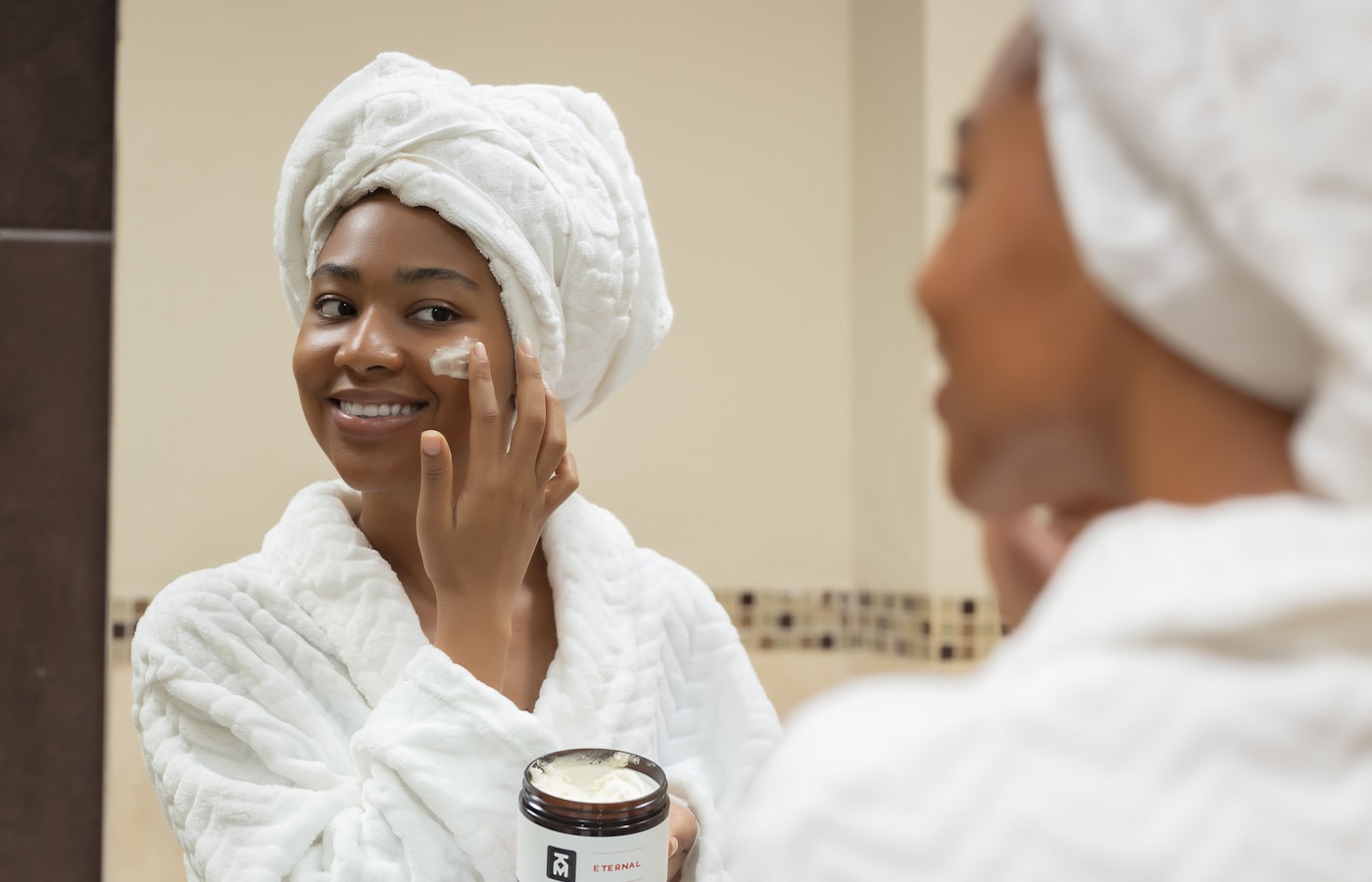
The most immediate payoff? You wake up with visibly brighter, plumper, and more rested-looking skin. Instead of scrambling to revive a tired complexion with layers of moisturizer and luminizer, you’ll already have that dewy, post-facial radiance. This is especially valuable for anyone with a packed morning schedule — the mask does the work while you sleep, so you can simplify your a.m. routine with just a gentle cleanse and SPF.
Risks and Considerations: What Not to Do
Not all masks are created equal, and using the wrong one overnight can undo months of careful skincare. Here’s what to avoid — and how to spot trouble before it starts.
Masks You Should Never Leave On Overnight
These mask types are strictly rinse-off formulas. Leaving them on while you sleep can strip your skin, damage the barrier, and even trigger breakouts.
- Clay and clarifying masks: Formulated to absorb excess oil and deep-clean pores, clay masks dry to a tight, crusty finish. Left on overnight, they can over-dry and irritate the skin, leading to flaking, redness, and a compromised moisture barrier.
- Exfoliating masks (AHAs/BHAs): Alpha-hydroxy acids (glycolic, lactic) and beta-hydroxy acids (salicylic) are potent chemical exfoliants meant for short-term application. Prolonged contact increases the risk of chemical burns, stinging, and barrier disruption.
- Peel-off masks: These often contain strong adhesive agents that, if left on too long, can pull at the skin and cause micro-tears, especially on sensitive or thin-skinned areas.
- Sheet masks: While it’s tempting to fall asleep in a serum-soaked sheet, the material will eventually dry out and begin wicking moisture away from your skin, leading to dehydration rather than hydration. The serum itself can also become a breeding ground for bacteria over many hours.
Signs Your Skin Is Over-Masked
So can i leave a face mask on all night without consequences? If you’re using an overnight mask as directed, it’s generally safe. But over-masking — even with a suitable product — can still happen. Look out for these warning signs:
- Congestion or tiny whiteheads appearing the morning after (indicating the mask is too heavy for your skin type)
- Redness, stinging, or a warm sensation during application or upon waking
- Increased dryness or tightness, which suggests the mask’s occlusive layer is preventing proper moisture cycling
- Perioral dermatitis flare-ups, especially with occlusive formulas that trap heat around the nose and mouth
If you experience any of these, cut back to 1–2 times per week or switch to a lighter formula. The goal is visible improvement, not irritation.
Skin Types and Individual Considerations
Your skin type dictates which overnight mask formulation will serve you best — and which you should avoid.
- Dry skin: Look for rich balm-to-oil textures with shea butter, squalane, ceramides, and PDRN. These deliver deep nourishment and prevent overnight moisture loss.
- Oily skin: Opt for lightweight gel or water-based sleeping masks that are non-comedogenic. Avoid heavy occlusives that could trap excess sebum. A PDRN mask can be ideal because it repairs without adding greasiness.
- Sensitive skin: Stick with fragrance-free, minimal-ingredient formulas. Bisabolol, madecassoside, and PDRN are gentle, soothing actives that calm while you sleep.
- Combination skin: Use a mask that balances — a gel-cream texture with niacinamide and hyaluronic acid hydrates dry patches without overwhelming the T-zone.
How to Use an Overnight Face Mask Correctly
Mastering the application technique is just as important as choosing the right mask. Here’s your step-by-step routine for maximum results.
Step-by-Step Routine
Follow this sequence each night you plan to use an overnight mask:
- Double cleanse: Start with an oil-based cleanser to dissolve sunscreen and makeup, then follow with a gentle water-based cleanser. Clean skin ensures actives penetrate without obstruction.
- Tone and prep: Apply a hydrating, alcohol-free toner to balance pH and prime the skin to receive the mask. PDRN-infused toners with hyaluronic acid enhance overnight repair.
- Apply serum (optional): If your skin needs an extra boost, layer a lightweight serum underneath the mask. Hyaluronic acid or peptide serums work synergistically with overnight formulas.
- Apply the overnight mask: Dispense a pea-to-almond-sized amount. Warm it between your fingertips, then smooth a thin, even layer over your entire face, avoiding the immediate eye area and lips.
- Let it absorb: Wait about 10–15 minutes before lying down. This allows the mask to absorb to a non-tacky finish so it won’t transfer to your pillowcase.
- Morning cleanse: Upon waking, rinse or gently wipe away any residual mask with lukewarm water and a soft cloth, or use a mild cleanser. Follow with your usual morning skincare (vitamin C, moisturizer, SPF).

How Often to Use an Overnight Mask
You might wonder, can i keep face mask overnight on a daily basis? The frequency depends on your skin’s needs and the mask’s potency. Some formulas, like ultra-hydrating sleep masks, can be used 2–3 times per week as a treatment. Others, especially those with PDRN and gentle peptides, are designed for nightly wear as a final moisturizing step. Over-using any occlusive mask, however, can lead to skin becoming “lazy” — relying on the external barrier rather than maintaining its own. If you ask, can i keep face mask overnight every single night? For most skin types, 2–3 times per week is the sweet spot. Pay attention to your skin’s response and adjust accordingly.
Recommended Overnight Masks by Skin Concern
Different skin goals call for different active ingredients. Here’s a quick cheat sheet:
- For deep hydration: Look for masks with hyaluronic acid, glycerin, and PDRN. PDRN in particular binds moisture and enhances the skin’s own hydration mechanisms.
- For anti-aging and firming: Peptide-rich overnight masks with acetyl hexapeptide-8 and PDRN stimulate collagen and smooth expression lines.
- For barrier repair: Ceramides, bisabolol, shea butter, and PDRN work together to restore a compromised barrier. The Douce Aura Overnight Mask by Pier Augé is an excellent example, combining high-purity PDRN with bisabolol and Arctic cloudberry to support regeneration and soothe sensitivity.
PDRN Overnight Masks: A Closer Look
PDRN (polydeoxyribonucleotide) has emerged as a standout ingredient in overnight skincare, and for good reason. Derived from salmon DNA with 98% similarity to human DNA, it’s a biocompatible signal molecule that speaks the skin’s native language. This makes it uniquely suited for the extended wear of an overnight mask.
Why PDRN Is Ideal for Overnight Wear
Unlike many actives that deliver a quick hit, PDRN works progressively. It functions as a biomimetic DNA fragment that binds to cellular receptors, encouraging the skin’s own fibroblasts to ramp up collagen and elastin production. Because collagen synthesis peaks during sleep, delivering PDRN throughout the night aligns perfectly with the skin’s circadian repair cycle. The result isn’t just temporary surface hydration; it’s a measurable, cumulative improvement in firmness, elasticity, and radiance over time. PDRN is also non-irritating, making it safe for all skin types, including sensitive or post-treatment skin — no stinging, no redness.
What to Look for in a PDRN Sleeping Mask
When evaluating a PDRN overnight mask, three factors matter most:
- Purity and concentration: High-purity PDRN (often labeled as “highly polymerized DNA”) ensures intact DNA fragments that can effectively signal repair. The Pier Augé Douce Aura Overnight Mask, for instance, uses high-purity PDRN refined to 99% purity.
- Complementary ingredients: A great PDRN mask pairs this active with skin-identical lipids like shea butter, soothing agents like bisabolol, and antioxidant-rich extracts like Arctic cloudberry. These work synergistically to seal in hydration and calm any background inflammation.
- Texture and absorption: The formula should melt from a creamy texture into a nearly invisible, non-greasy veil within 10–15 minutes. This ensures pillow-safe wear and no sticky residue.
One mask that exemplifies these standards is the pdrn overnight mask known as Douce Aura. Clinical trials on this formula revealed impressive data after both instant and sustained use:
| Clinical Metric | 15-Minute Instant Glow | 14-Day Transformation |
|---|---|---|
| Radiance Boost | +52.69% | — |
| Hydration Surge | +45.86% | — |
| Wrinkle Reduction | — | -20.69% |
| Plumping Effect | — | +14.82% |
| Firmness Improvement | — | +4.50% |
Data from a 14-day clinical study on 33 women using Pier Augé Douce Aura Overnight Mask.
Beyond the numbers, 92% of users in the study reported more hydrated skin after just one use. The mask’s cream-to-veil texture — where the rich cream turns translucent and absorbs within minutes — makes it a nightly pleasure rather than a chore.
Frequently Asked Questions
Can you sleep with a sheet mask on?
No, sheet masks are not designed for overnight use. They are meant to be worn for 10–30 minutes. Leaving a sheet mask on overnight can cause the sheet to dry out and pull moisture from your skin, potentially leading to dehydration, irritation, and even breakouts due to bacterial buildup.
How long should I leave an overnight mask?
Overnight masks are intended to stay on for 6–8 hours while you sleep. In the morning, you should gently rinse or wipe off any excess product before applying your daytime skincare. For formulas that fully absorb, you may not need to rinse at all — just proceed with your morning routine.
Can I use an overnight mask every night?
It depends on the mask and your skin type. Some lightweight, non-occlusive overnight masks can be used nightly, while richer formulations are best used 2–3 times per week. Overusing heavy occlusive masks can lead to congestion or make your skin reliant on external barrier support. Follow the product’s usage directions and listen to your skin.
What happens if I fall asleep with a clay mask on?
Falling asleep in a clay mask can severely dry out your skin, cause redness, and disrupt your moisture barrier. Clay masks are designed to absorb oil and should always be removed after 10–15 minutes. If you accidentally sleep in one, rinse gently with lukewarm water and apply a soothing, barrier-repairing moisturizer or overnight mask as soon as you wake up.
Is overnight mask better than night cream?
Overnight masks and night creams serve different purposes. Night creams are lighter, daily-use moisturizers. Overnight masks are more concentrated, occlusive treatments designed to deliver deeper hydration and repair over an extended period. Think of an overnight mask as an intensive weekly treatment and a night cream as your everyday staple. Some PDRN overnight masks, however, can double as both.
Can I sleep with a homemade face mask on?
It’s not recommended. Homemade masks often lack preservatives and balanced pH, and ingredients like citrus, yogurt, or vinegar can irritate the skin when left on too long. DIY masks haven’t been tested for overnight safety, so skin damage or allergic reactions are real risks. For overnight masking, stick with professionally formulated, dermatologist-tested products.
Waking up with luminous, well-rested skin doesn’t require a complicated morning ritual. By understanding which masks can stay on overnight and incorporating a high-performance PDRN formula into your routine, you can take advantage of your body’s nighttime repair cycle to its full potential. Ready to experience real overnight repair? Explore the science of pdrn overnight mask and see how just one night can shift your skin’s radiance.
[^1]: Wildsmith Skin. Super Hydrating Overnight Mask clinical data. https://us.wildsmithskin.com/products/super-hydrating-overnight-mask [^2]: Journal of Clinical and Aesthetic Dermatology. Circadian Rhythm and the Skin (2019). https://pmc.ncbi.nlm.nih.gov/articles/PMC6777699/ [^3]: Nuvane Dermatology Review. Can Sleep Really Reverse Skin Aging? (2025). https://www.nuvane.com/article/can-sleep-really-reverse-skin-aging