 TOOL HUNTER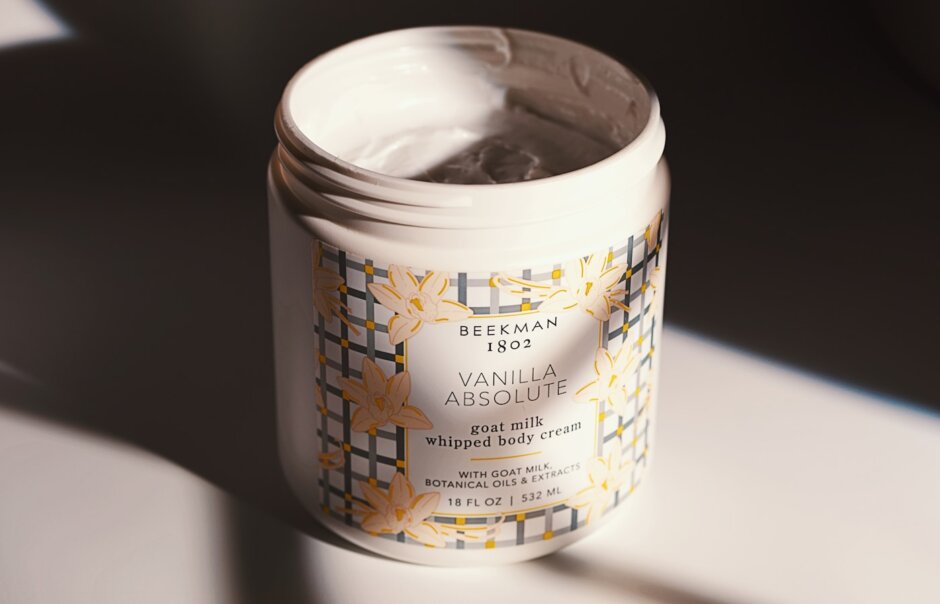

Table of Contents
- What Do Face Masks Do for Your Skin? Complete Guide
- Key Takeaways
- Introduction
- What Do Face Masks Do? Understanding Their Core Functions
- Types of Face Masks and What Each Does Best
- Do Face Masks Actually Work for Skin? What Science Says
- How to Choose the Right Face Mask for Your Skin Type
- How to Use a Face Mask for Best Results
- Frequently Asked Questions
What Do Face Masks Do for Your Skin? Complete Guide
Key Takeaways
- Face masks deliver a concentrated, occlusive dose of active ingredients, addressing everything from hydration to pore refinement.
- Different mask types—sheet, clay, cream, gel, peel‑off, and regenerative—target distinct skin concerns.
- Clinical research and dermatological organizations confirm that face masks can measurably improve hydration, texture, and barrier function when used correctly.
- Choosing the right mask for your skin type and using it 1‑2 times per week yields the best results.
- PDRN‑based regenerative masks, like the Pier Augé Douce Aura Overnight Mask, offer advanced repair with clinical backing for radiance and wrinkle reduction.
Introduction
If you’ve ever stood in the skincare aisle wondering what do face masks do beyond looking like an Insta‑worthy selfie prop, you’re in the right place. Face masks have evolved from occasional spa treats into targeted treatment tools capable of deep hydration, pore cleansing, and even DNA‑level skin repair. Understanding what do face masks do for your face unlocks a world where you can choose exactly the right formula for your unique complexion needs. Whether you need to quench parched skin, clarify congestion, or soothe sensitivity, there’s a mask designed to deliver results. This guide breaks down the science, the types, and the best practices so you can make face masking a powerful, intentional step in your skincare routine.
What Do Face Masks Do? Understanding Their Core Functions
Face masks are more than a pampering ritual; they are vehicles that push concentrated active ingredients into the skin under occlusion. By forming a temporary physical barrier, a mask prevents evaporation and forces beneficial compounds to absorb more efficiently than a typical serum or moisturizer alone. Let’s unpack the four core functions that answer what do facial masks do in practical terms:
Deep Hydration and Moisture Delivery
Hydration is the most immediate benefit. Ingredients like hyaluronic acid, glycerin, and phospholipids flood the skin with water‑binding molecules, while the occlusive nature of the mask locks everything in. This is especially true for sheet masks and cream‑based formulas. By delivering a surge of moisture, masks can instantly plump the skin, soften fine lines caused by dehydration, and restore a dewy, healthy‑looking complexion. So when someone asks what does a face mask do, hydrating and moisturizing dry skin is usually the top answer.
Pore Cleansing and Clarity
Clay and charcoal masks absorb excess sebum, draw out impurities from within pores, and slough away dead skin cells. This deep‑cleansing action explains what do face masks do for oily and acne‑prone skin: they help decongest clogged pores, visibly refine their appearance, and prevent the buildup that leads to breakouts. The result is a clearer, smoother canvas without the harsh stripping that can trigger rebound oil production.
Targeted Treatment Delivery
Masks can be formulated to tackle very specific concerns: brightening dark spots with vitamin C, calming redness with centella asiatica, or firming with peptides. Because the product remains in contact with the skin for an extended period (typically 10–20 minutes), actives have more time to penetrate. This targeted approach means what does a facial mask do varies wildly—one day it’s a brightening hero, the next it’s a soothing savior, all depending on the ingredients you choose.
Skin Barrier Support
A healthy skin barrier retains moisture and keeps irritants out. Masks rich in ceramides, fatty acids, and DNA‑derived ingredients reinforce that barrier. Clinical research evaluating multi‑component facial masks has demonstrated measurable improvements in moisturizing, repairing, and anti‑aging effects—directly supporting the barrier’s ability to protect and regenerate. This answers what do face masks do for your skin from a long‑term health perspective.
Types of Face Masks and What Each Does Best
Not all masks are created equal. Each texture and delivery system caters to different skin needs. Here’s your cheat sheet for understanding what do facial masks do by category:
Sheet Masks
Soaked in serum, sheet masks provide instant hydration and a quick glow boost. The fabric prevents evaporation, forcing ingredients like hyaluronic acid or niacinamide deep into the skin. They’re mess‑free, travel‑friendly, and perfect for a rapid refresh. If you’ve ever wondered what is a face mask for on a dry morning before makeup, a sheet mask is your answer.
Clay and Charcoal Masks
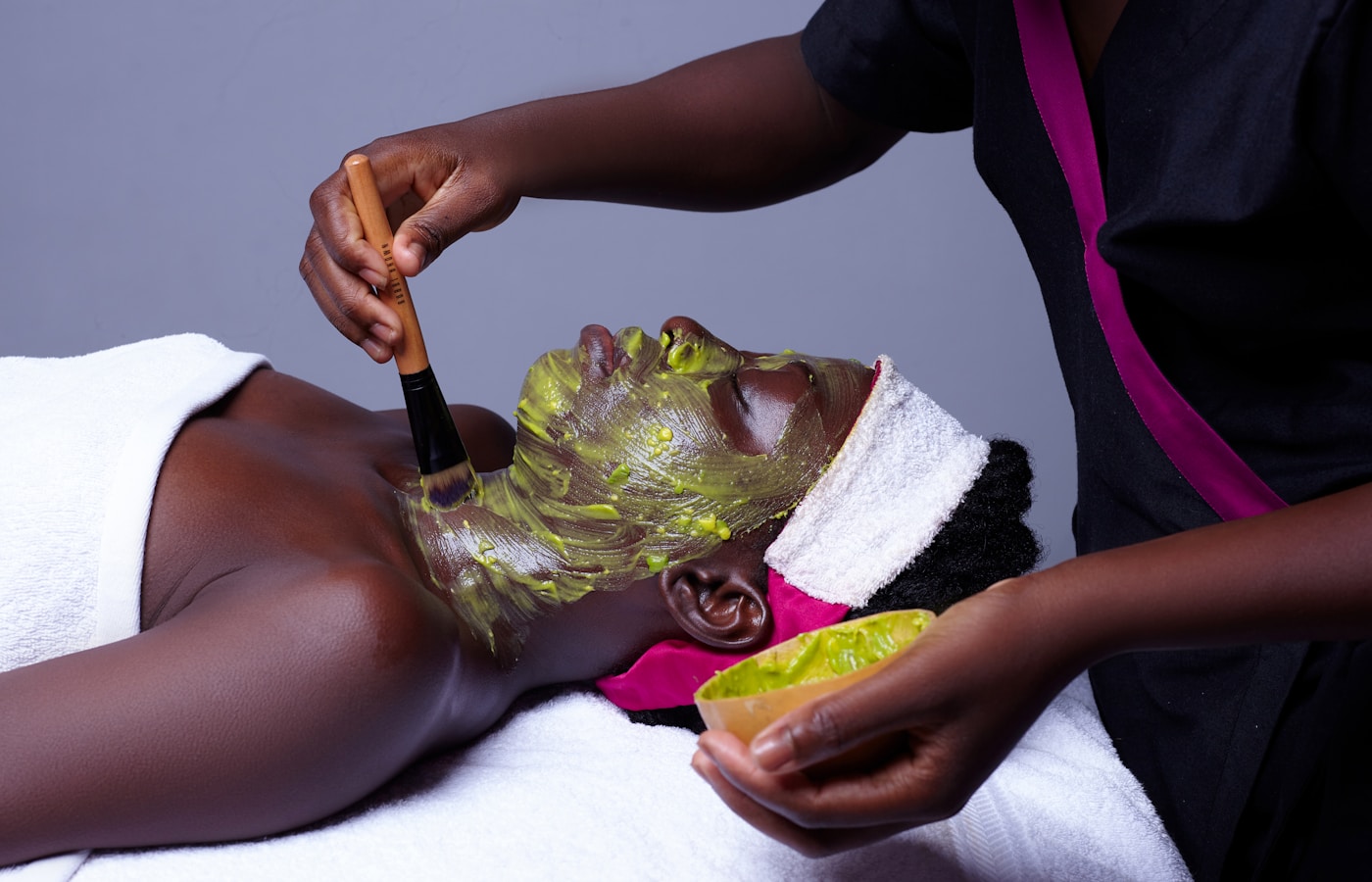
These are the heavy hitters for oily, congested skin. Clays (kaolin, bentonite, illite) and activated charcoal act like magnets, pulling out excess oil and toxins. They also tighten pores and improve texture. Use them when you need to reset a shiny T‑zone or prevent post‑hormonal breakouts. Just avoid letting them dry to a cracking stage—that can dehydrate the skin.
Cream and Sleeping Masks
Cream masks are rich, emollient, and often designed to be left on overnight. Think of them as intensive moisture boosters. The Pier Augé Douce Aura Overnight Mask is a stellar example: its cream-to-veil texture transforms from a creamy layer to a translucent, non-greasy veil as it absorbs. If you’re curious do face masks actually work for skin while you sleep, the answer is a resounding yes—this mask is clinically proven to deliver a +45.86% hydration surge in just 15 minutes and a -20.69% reduction in wrinkles over 14 days.
Gel and Hydrogel Masks
Lightweight and cooling, gel masks are excellent for soothing irritation, calming redness, or chilling out puffy skin. Hydrogel versions add an occlusive gel layer that hugs skin contours and extends hydration. They suit sensitive, reactive complexions and can even be used in the shower for an active treatment.
Peel‑Off Masks
These dry into a thin film that you peel away, physically lifting off dead skin cells, fine vellus hair, and surface debris. They offer instant smoothness and brightness but can be harsh if overused. Reserve them for occasional deep exfoliation, never on sensitive or compromised skin.
PDRN and Regenerative Masks
This is where cutting-edge science meets skincare. PDRN (polydeoxyribonucleotide) masks use highly purified DNA fragments—often sourced from wild salmon—that exhibit 98% similarity to human DNA. They act as biomimetic messengers, signaling skin cells to ramp up repair, collagen production, and regeneration. The result is firmer, plumper, more resilient skin over time. To understand what does a face mask do on a cellular level, look no further: PDRN masks like the pdrn face mask stimulate intrinsic renewal without irritating the skin, making them ideal for post-procedure recovery or anti-aging protocols.
Do Face Masks Actually Work for Skin? What Science Says
A common skepticism: do face masks actually work for skin or are they just expensive relaxation rituals? The evidence leans heavily toward efficacy when you use the right mask for your skin type and concern.
Clinical Evidence Behind Face Mask Ingredients
A 2025 clinical evaluation published in PMC assessed a multi‑component facial mask and reported statistically significant improvements in skin moisturization, barrier repair, and visible signs of aging. While individual formulations vary, the study underscores that properly designed masks can deliver quantifiable benefits. Meanwhile, the American Academy of Dermatology provides expert guidance that facial masks can offer concentrated benefits, depending on the ingredients and skin type, and recommends using them 1–2 times weekly for best results. So, do face masks actually work for skin? Yes—given consistent, appropriate use.
Factors That Determine Mask Effectiveness
Not all masks are created equal. Success hinges on:
- Ingredient quality and concentration: Molecular size, stability, and delivery system matter.
- Occlusion and contact time: Masks that stay moist throughout the recommended wear time deliver more actives.
- Skin compatibility: A mask that respects your skin’s pH and avoids irritants will be more effective.
- Frequency: Over‑masking can damage the barrier; under‑masking may not yield visible changes. Stick to 1–2 times per week unless a product is specifically designed for daily use.
When you align these factors, your mask will do more than just feel good—it will measurably improve your skin.
How to Choose the Right Face Mask for Your Skin Type
Now that you understand what do face masks do and the science behind them, selecting the perfect mask becomes a strategic choice. Here’s a simple breakdown:
Dry Skin
Opt for deeply hydrating formulas: sheet masks, cream masks, and overnight sleeping masks. Ingredients to look for: hyaluronic acid, glycerin, shea butter, ceramides, and PDRN. The Pier Augé Douce Aura Overnight Mask is a standout for its ability to quench thirst overnight, while its lightweight finish suits even combination skin without clogging pores.
Oily and Acne‑Prone Skin
Clay and charcoal masks are your best friends. They absorb excess oil and purify pores. You can also spot‑treat with a clay mask on the T‑zone only. Avoid heavy cream masks that might exacerbate oiliness. Look for formulas with salicylic acid or tea tree for additional blemish control. Use them no more than twice a week to avoid over‑drying.
Sensitive Skin
Gel and hydrogel masks with calming ingredients such as aloe vera, chamomile, bisabolol, and centella asiatica are ideal. Avoid fragrance, alcohol, and strong acids. The occlusive water‑based delivery of gel masks minimizes irritation. PDRN masks are also excellent because they mimic the skin’s own repair mechanisms without aggressing the barrier.
Aging and Dull Skin
Target signs of aging with peptide‑rich creams, sleeping masks, and regenerative formulas containing PDRN or retinol (night‑time only). Frequent dullness benefits from gentle exfoliating masks with AHAs or enzymatic actions, used sparingly. The Pier Augé Douce Aura Overnight Mask offers a powerful combination of PDRN backed by clinical data: +52.69% radiance boost after one use and -20.69% wrinkle reduction over 14 days, making it a dual‑action glow and anti‑aging treatment.
Below is a quick reference for matching mask types to skin concerns:
| Skin Concern | Ideal Mask Type | Key Ingredients to Look For |
|---|---|---|
| Dryness / Dehydration | Sheet, Cream, Sleeping Mask | Hyaluronic Acid, PDRN, Shea Butter |
| Oily Skin / Large Pores | Clay, Charcoal | Kaolin, Bentonite, Activated Charcoal, Salicylic Acid |
| Sensitivity / Redness | Gel, Hydrogel | Aloe Vera, Bisabolol, PDRN, Centella Asiatica |
| Dullness / Uneven Tone | Brightening Sheet, Exfoliating Gel, PDRN Mask | Vitamin C, Niacinamide, PDRN, Peptides |
| Fine Lines / Loss of Firmness | Cream, Sleeping Mask, PDRN Mask | Peptides, Retinol (PM), PDRN, Argireline |
How to Use a Face Mask for Best Results
Even the best mask won’t deliver if you don’t apply it correctly. Mastering the routine ensures you get every ounce of benefit.
Step‑by‑Step Application
- Double cleanse: Start with an oil‑based cleanser to remove makeup and SPF, followed by a gentle water‑based cleanser. Pat dry.
- Tone (optional): Apply a hydrating toner to dampen the skin and prep it for absorption.
- Apply the mask: Use clean fingers or a brush to spread a thin, even layer, avoiding the eye area. For sheet masks, align the cutouts with your features and smooth out air bubbles.
- Time it right: Follow the instructions—typically 10–20 minutes for wash‑off masks, up to 60 minutes for hydrogels or overnight for sleeping masks. Never let a clay mask crack; rinse before it fully dries.
- Remove properly: Rinse with lukewarm water or, for leave‑on formulas, massage the remaining essence into the skin.
- Lock it in: Follow with a moisturizer to seal the treatment, unless you’re using a sleeping mask that doubles as the final step.
Frequency Recommendations
According to the American Academy of Dermatology, using a face mask 1‑2 times per week is optimal for most skin types. Over‑use can strip the barrier or cause sensitization. However, certain gentle formulas, like the Pier Augé Douce Aura Overnight Mask, can be used more frequently—even nightly—because its biomimetic PDRN complex supports, rather than stresses, the skin. If you’re exploring advanced PDRN treatments, visit the brand’s pdrn face mask page for deeper insights.
Frequently Asked Questions
What do face masks do for your face?
Face masks deliver a concentrated blend of active ingredients under occlusion, meaning they create a seal that enhances absorption. Depending on the formulation, they can hydrate, deep‑clean pores, brighten, soothe, or boost collagen production—all contributing to a healthier, more radiant complexion.
How often should I use a face mask?
For most people, 1‑2 times per week is ideal. Oily or acne‑prone skin may benefit from twice‑weekly clay masks, while dry or mature skin can use nourishing sleeping masks more frequently. Gentle, barrier‑supportive masks like PDRN formulas can be used nightly.
Do face masks actually work for skin?
Yes, clinical studies and dermatological consensus confirm that face masks can provide measurable improvements in hydration, skin texture, and barrier function when used correctly. The key is matching the mask type to your skin concern and being consistent without overdoing it.
What is the best type of face mask for glowing skin?
Sheet masks infused with vitamin C or niacinamide, exfoliating enzyme masks, and PDRN sleeping masks are excellent for radiance. The Pier Augé Douce Aura Overnight Mask demonstrated a +52.69% radiance boost in clinical testing, making it a top contender for that lit‑from‑within glow.
Can face masks replace my daily moisturizer?
No, face masks are supplemental treatments, not replacements. They provide an intensive boost of actives, but a daily moisturizer is still needed to maintain baseline hydration and barrier function. Some leave‑on sleeping masks can take the place of your night cream on the evenings you use them.
What does a face mask do for acne‑prone skin?
For acne‑prone skin, clay or charcoal masks absorb excess oil, unclog pores, and reduce the appearance of blemishes. Ingredients like salicylic acid, tea tree, or sulfur provide additional antibacterial and exfoliating benefits. Regular use helps prevent breakouts and refines skin texture without over‑drying.
Ready to experience what a scientifically advanced mask can do for your complexion? The Pier Augé Douce Aura Overnight Mask combines the regenerative power of high‑purity PDRN with deep hydration to visibly repair and plump your skin while you sleep—no rinsing, no fuss, just luminous results by morning.