 TOOL HUNTER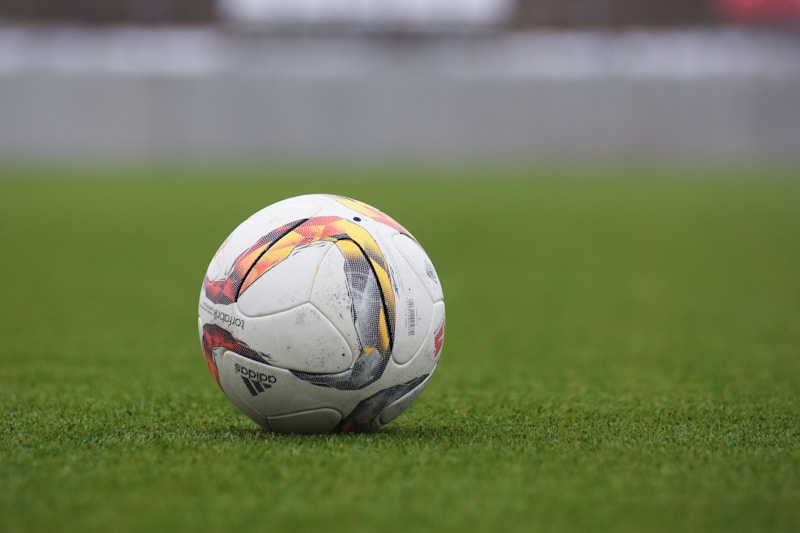

The 2026 FIFA World Cup across the US, Canada, and Mexico is shaping up to be a weird one—three host nations, an expanded field, and a ball called the Trionda that’s already sparking arguments among physics nerds. For anyone who plays, coaches, or just yells at the TV, the ball isn’t just equipment. It’s the whole point. And this one does something strange: it hits a “drag crisis” at a lower speed than any World Cup ball in recent memory. Here’s what that actually means for the game.
The Science Behind the Trionda Ball Drag Crisis
So, drag crisis. When a ball flies, air pushes against it—that’s drag. At slow speeds, air slides over it smoothly. Speed up, and that smooth layer gets choppy. At some point, the airflow separates from the ball’s surface, and drag suddenly drops. That sweet spot is the drag crisis.
World Cup balls have been engineered to hit this crisis at specific speeds for years. The 2010 Jabulani was infamous because its crisis happened at a ridiculously high speed—around 49–60 mph, depending on how you held it. Kick it with low spin, and it would suddenly slow down, wobbling like it had a mind of its own. Goalkeepers hated it. Outfield players weren’t fans either.
The Trionda flips that. Wind-tunnel tests from the University of Tsukuba show it hits its drag crisis at just 27 mph. That’s way lower than the Al Rihla (2022), Telstar 18 (2018), or Brazuca (2014), which all landed between 31–40 mph. So the Trionda’s most dramatic aerodynamic shift happens well below the speed of most powerful shots and long passes.
Why does this matter for gameplay?
- Consistency at high speeds: Once a ball is kicked above 27 mph, it’s already past the crisis. Its drag stays steady across the range of corner kicks, free kicks, long passes, and shots.
- Predictable flight: Unlike the Jabulani, which could act totally different at 50 mph versus 55 mph, the Trionda is boringly reliable. Clean technique gets rewarded; aerodynamic surprises don’t happen.
- Slightly shorter long kicks: Trade-off time. The Trionda’s drag coefficient is a bit higher than the Al Rihla or Brazuca at high speeds. So long kicks might fall a few meters short. As Purdue’s John Eric Goff put it: “Trionda may very slightly punish extreme distance, but it should reward clean technique and predictable flight.”
Adidas Trionda Performance: Design Features That Redefine Soccer Ball Aerodynamics
The Trionda’s performance comes down to its wild design. For the first time in men’s World Cup history, the match ball has only four panels. They’re thermally bonded—melted together with heat and adhesive instead of stitches. Fewer seams might make you think it’s smoother. It’s not.
Key design elements that influence soccer ball aerodynamics:
1. Four-panel construction with deep grooves: Each panel has three deep grooves running across it. Those grooves, plus the panel edges, make the ball effectively “rougher” than its predecessors. That roughness triggers the drag crisis at such a low speed. 2. Embedded sensors: There’s a motion sensor inside tracking speed, spin, and trajectory. It feeds data to VAR and broadcasters—helps with offside calls and makes for better TV. 3. Fewer seams, more texture: You’d think fewer seams means smoother, less aerodynamic. But the Trionda shows surface texture matters more than seam count. The grooves create a consistent turbulent boundary layer at lower speeds, like a golf ball’s dimples or a baseball’s stitches. 4. Thematic emblems: Maple leaf, green eagle, star—representing the three host countries. They’re not just decoration; they add to the surface roughness, even if just a little.
How the design compares to previous World Cup balls:
| Ball (Year) | Number of Panels | Drag Crisis Speed (mph) | Notable Feature | |————-|——————|————————|—————–| | Jabulani (2010) | 8 | 49–60 | Erratic, low-spin flight | | Brazuca (2014) | 6 | 31–40 | Long seams, better stability | | Telstar 18 (2018) | 6 | 31–40 | Classic look, improved grip | | Al Rihla (2022) | 6 | 31–40 | Textured surface, speed cell | | Trionda (2026) | 4 | 27 | Deep grooves, embedded sensors |
That lower crisis speed means even moderate kicks—a driven pass, a curling free kick—are already in the stable drag zone. That’s a big deal for World Cup ball physics because it cuts down on sudden knuckling or unexpected slowdowns.
Practical Implications for Players: Free Kicks, Long Passes, and Goalkeeping
Okay, so the Trionda’s drag crisis is interesting on paper. But what does it mean on the pitch?
Free Kick Takers and Corner Kicks
Free kicks and corners usually come in at 30–60 mph. Since the Trionda’s crisis is at 27 mph, almost all of these kicks are post-crisis. The drag force stays constant.
- Curled free kicks: Stable drag makes it easier to predict dip and swerve. Players who rely on bend and precision might find the Trionda more forgiving.
- Knuckleball shots: The knuckleball effect—erratic movement with little spin—is less likely. The ball transitions to turbulent flow early, reducing chaos. Good news for keepers who still have nightmares about the Jabulani.
Long Passes and Goal Kicks
Long kicks—goal kicks, long passes, shots from 30+ yards—will feel the Trionda’s higher drag coefficient at high speeds. The ball slows down faster than the Al Rihla or Brazuca during the fast part of its flight.
- Punt kicks: Goalkeepers and defenders launching the ball long might see it fall a few meters short. Could affect decisions about playing out from the back versus going long.
- Long-range shots: Strikers trying to catch the keeper off their line may need more power for the same distance. Trade-off: better accuracy, since the flight path is more predictable.
Goalkeeping
Keepers should like the Trionda. The lower crisis speed means powerful shots won’t suddenly change drag mid-flight. Reading the ball’s trajectory gets easier.
- Diving saves: Fewer knuckling effects means keepers can trust their instincts and positioning.
- Dealing with crosses: Stable flight at moderate speeds makes judging a cross or corner simpler.
The Evolution of Soccer Ball Aerodynamics: From 32 Panels to 4
The Trionda is the payoff from over 20 years of tinkering with soccer ball aerodynamics. It started with the 2006 +Teamgeist, which dropped from 32 panels to 14 and introduced thermal bonding. Then came the Jabulani (8 panels), the Brazuca (6), and the Telstar 18 and Al Rihla (also 6).
Each generation tried to fix a specific problem:
- Jabulani: Too smooth and unpredictable, especially at low spin.
- Brazuca: Better stability with longer seams.
- Telstar 18: Better grip and texture.
- Al Rihla: Speed cell for faster flight.
Why roughness matters in soccer ball aerodynamics:
- Dimples on golf balls: They create a turbulent boundary layer that reduces drag and increases distance. Same idea here.
- Baseball stitches: Raised stitches create turbulence, helping pitchers control movement.
- Soccer ball grooves: The Trionda’s grooves trip the boundary layer from laminar to turbulent at a lower speed, stabilizing flight.
What the Research Says: Wind-Tunnel Tests and Data
The research comes from John Eric Goff (Purdue), Takeshi Asai, Sungchan Hong, and Richong Liu (University of Tsukuba). They used a wind tunnel to measure the Trionda’s drag coefficient at various speeds, comparing it to previous World Cup balls.
Key findings:
- Drag crisis speed: 27 mph—lower than the Al Rihla, Telstar 18, and Brazuca (31–40 mph), and way below the Jabulani (49–60 mph).
- Drag coefficient at high speeds: Higher than its predecessors above the crisis. More air resistance during the fastest part of flight.
- Consistency in the critical range: Between 27 mph and 60 mph, the drag coefficient is flat. The Jabulani had a steep drop at its crisis, causing sudden deceleration.
How the Trionda Ball Drag Crisis Affects Tactics and Strategy
For coaches and analysts, the Trionda’s aerodynamics have real tactical weight. Here’s how it might play out in 2026:
1. Emphasis on Short Passing and Possession
Long passes might fall shorter, so teams that rely on direct, long-ball tactics may need to adjust. Possession-based teams keeping the ball on the ground with short, quick passes could have an edge. The ball’s predictable flight at moderate speeds favors tiki-taka style play.
2. Free Kick Specialists May Thrive
Players who bend balls around walls and dip them over barriers will likely benefit. The ball responds consistently to spin, making rehearsed set pieces easier to execute.
3. Goalkeepers May Have an Easier Time
Fewer knuckling effects and unpredictable movement give keepers more confidence facing long shots. Expect fewer spectacular long-range goals and more build-up play to create clear chances inside the box.
4. Long-Range Shooters Need More Power
Strikers who shoot from outside the box may need extra power to compensate for higher drag at high speeds. This could reduce long-range goals but increase the quality of chances closer to goal.
The Future of Soccer Ball Aerodynamics
The Trionda isn’t a one-off for 2026. It points in a new direction: sensors, thermal bonding, and surface texture over panel count. These trends are likely here to stay.
What might future World Cup balls look like?
- Adaptive surfaces: Balls that change roughness based on weather or game state.
- Active aerodynamics: Micro-actuators that alter shape in flight to optimize trajectory.
- Biometric integration: Balls that talk to player wearables for real-time kick feedback.
Conclusion: What to Watch for in 2026
The Trionda’s drag crisis is a neat reminder that small design changes can have big effects on how the game plays. By dropping the crisis speed to 27 mph, Adidas made a ball that’s more consistent and predictable than any recent predecessor. Long kicks might be a bit shorter, but the trade-off is a ball that rewards clean technique and cuts down on erratic flight.
For fans, that probably means fewer bizarre goalkeeping blunders and more emphasis on skill, precision, and tactics. For players, it’s a reminder that even the most familiar object on the pitch can be engineered to change the game.
Whether you’re a casual viewer or a total nerd for soccer ball aerodynamics, the Trionda is worth paying attention to. It’s not just a ball—it’s a signal from Adidas and FIFA that the future of the beautiful game is smarter, more predictable, and more data-driven. Whether that’s a good thing or not, I’m not sure yet. But it’ll be interesting to watch.
As the 2026 World Cup kicks off, keep an eye on how players adapt. Will long-range shooters struggle? Will free kick takers dominate? One thing’s for sure: the Adidas Trionda will be a talking point for years, and that low-speed drag crisis will be remembered as a turning point in ball design.