 TOOL HUNTER

Table of Contents
- When to Use Face Mask in Skincare Routine: Complete Order Guide
- Face Mask Before or After Skincare? The General Rule
- When to Use a Face Mask in Skincare Routine by Type
- Do You Do a Face Mask Before or After Skincare Steps?
- Step-by-Step Skincare Routine with a Face Mask
- Common Mistakes When Using Face Masks in Your Routine
- Key Takeaways
- Frequently Asked Questions
- Final Thoughts
When to Use Face Mask in Skincare Routine: Complete Order Guide
Navigating the question of face mask before or after skin care can feel like decoding a complex ritual. You’ve invested in quality products, but if you apply them in the wrong sequence, you might be sabotaging their effectiveness. Misordering your routine is one of the most common—and most fixable—skincare mistakes.
Understanding when to use a face mask in skin care routine is critical because masks are concentrated treatments designed to deliver potent ingredients deep into the skin. For a detailed walkthrough, check out this guide on when to use face mask in skincare routine. But where exactly do they fit between your cleanser, toner, serum, and moisturizer? The answer isn’t one-size-fits-all. It depends entirely on the type of mask you’re using and its intended purpose.
In this comprehensive guide, we’ll answer the essential question of should you do a face mask before or after skincare, break down the correct order for every mask type—from clay and sheet to overnight and PDRN treatment masks—and provide expert layering tips to maximize your results. You’ll walk away with a foolproof routine that ensures every mask delivers its full benefit.
Face Mask Before or After Skincare? The General Rule
The most common error people make is treating a face mask as an isolated step that can be inserted anywhere. In reality, the placement of a mask in your routine determines how well its active ingredients penetrate and how well the rest of your products work afterward. So, do you do a face mask before or after skincare? The general rule is: apply a face mask after cleansing and before your serum and moisturizer.
The Golden Order of Skincare
The American Academy of Dermatology (AAD) recommends applying skincare products in order of consistency—from thinnest to thickest. This principle ensures that lighter, water-based products don’t have to fight through heavier creams to reach your skin. Here’s the foundational order that applies to most routines:
- Cleanser — Removes dirt, oil, and makeup to create a clean canvas.
- Toner — Balances pH and preps skin for subsequent layers.
- Face Mask — Delivers concentrated treatment (wash-off or sheet masks go here; overnight masks may be later).
- Serum — Targets specific concerns like hyperpigmentation, fine lines, or dehydration.
- Moisturizer — Locks in hydration and seals the barrier.
- Sunscreen (AM) — Final protective shield.
As confirmed by Tatcha’s guide on mask placement, wash-off masks are applied to clean skin before serums, while sleeping masks act as the final step. This hierarchy is grounded in the principle that concentrated actives should contact clean skin without interference from heavier products.
Where Masks Fit in the Routine
Masks are essentially “boosters” — they deliver a high concentration of active ingredients in a single session. To maximize their impact:
- Wash-off masks (clay, gel, cream) always go on freshly cleansed skin. This allows ingredients like kaolin clay or hyaluronic acid to penetrate without a barrier of serum or moisturizer blocking them.
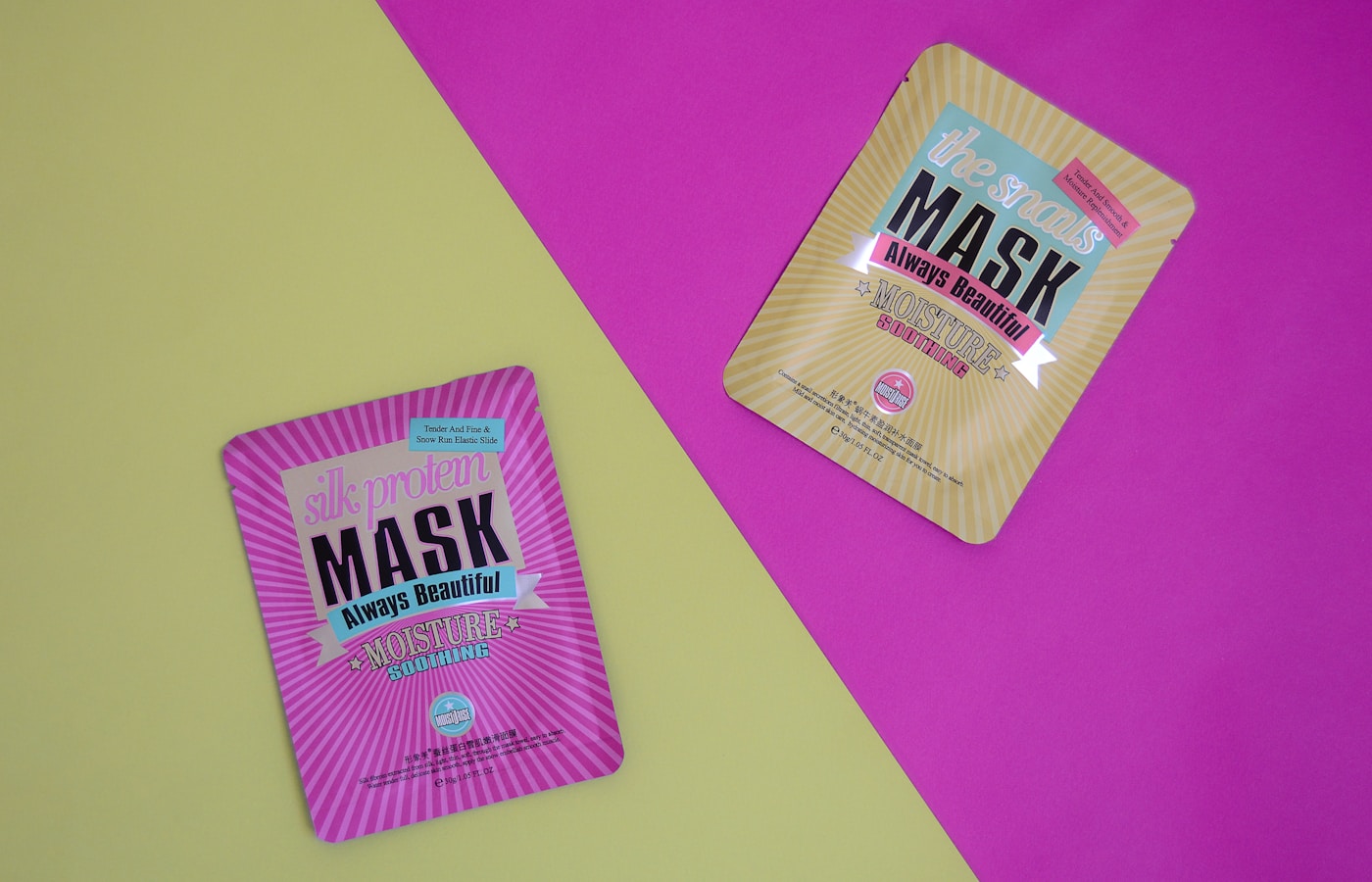
- Sheet masks are applied after toner but before serum. The serum-soaked sheet acts as an occlusive layer, driving the essence deeper into your skin.
- Overnight masks are typically the final step in your evening routine, applied after moisturizer to seal everything in. Some lightweight sleeping masks can replace your moisturizer entirely.
Following this order ensures that when you’re determining when to use face mask in routine, you’re never layering products that cancel each other out or block absorption.
When to Use a Face Mask in Skincare Routine by Type
Not all masks are created equal. When to use face mask in skincare routine depends heavily on its formulation and purpose. Here’s a breakdown of the most common types and exactly where they fit.
Clay Masks
Purpose: Deep pore cleansing, oil absorption, and purifying.
When to use: After cleansing and exfoliating (if you exfoliate that day), but before any other treatment. Clay masks work by drawing out impurities and sebum as they dry. Apply a thin layer to clean, damp skin, leave on for 10–15 minutes, and rinse thoroughly before moving to toner and serum.
Frequency: 1–2 times per week for oily or combination skin. If you have dry or sensitive skin, limit to once every two weeks.
Sheet Masks
Purpose: Intense hydration, brightening, or soothing.
When to use: Apply after toner and before serum. The essence from the sheet mask acts as a highly concentrated treatment layer. After removing the mask, gently pat the remaining essence into your skin rather than washing it off. Then proceed with your serum and moisturizer.
A key tip: don’t skip moisturizer after a sheet mask. While the mask provides hydration, a moisturizer is needed to seal it in. This logic directly answers do you do a face mask before or after skincare when using sheet masks—they replace the serum step but not the moisturizer step.

Frequency: 2–3 times per week, or daily for very dehydrated skin.
Sleeping and Overnight Masks
Purpose: Overnight repair, deep nourishment, and barrier restoration.
When to use: As the final step in your evening routine. Apply after your moisturizer (or replace moisturizer if the formula is rich enough). These masks are designed to be left on while you sleep, slowly releasing active ingredients through the night as your skin enters its natural repair cycle.
As explained in Eva Naturals’ guide to overnight face masks, the best results come from applying your sleeping mask as the last layer to lock in everything underneath. This method maximizes absorption and prevents moisture loss.
Frequency: 2–3 times per week, or nightly for very dry or compromised skin.
Gel and Hydrogel Masks
Purpose: Cooling, soothing, and hydrating sensitive or irritated skin.
When to use: Apply after cleansing and toner. These masks often have a cooling effect that reduces redness and inflammation. Hydrogel masks are especially effective because their gel matrix creates an occlusive seal that drives ingredients deeper. Remove after 15–20 minutes, massage in any excess, and follow with moisturizer.
Frequency: As needed, up to daily for sensitive or post-procedure skin.
PDRN and Treatment Masks
Purpose: Regeneration, collagen stimulation, and advanced repair.
When to use: These are high-performance masks that should be used after cleansing and before serums. The exceptional Douce Aura Overnight Mask from Pier Augé is a versatile treatment-mask hybrid infused with High-purity PDRN that can be used two ways: as a weekly treatment mask (2-3 times per week) or as a daily night cream. Its cream-to-veil texture transitions from a creamy layer to a transparent veil, making it ideal for delivering DNA-repairing actives directly to the skin.
According to clinical data, this mask delivers a +52.69% radiance boost and +45.86% hydration surge in just 15 minutes, with -20.69% wrinkle reduction after 14 days of consistent use.
For more on how PDRN technology works, check out our complete guide: [What Is Salmon PDRN? The Complete Guide to Salmon DNA in Skincare](/posts/salmon-pdrn-complete-guide).
Frequency: As directed per product; high-purity PDRN masks are generally safe for 2–3 times per week.
Do You Do a Face Mask Before or After Skincare Steps?
Even after establishing the general order, specific steps still cause confusion. Let’s break down each pairing.
Before or After Cleansing?
Always after cleansing. Applying any mask to dirty skin is counterproductive. Cleansing removes makeup, SPF, excess oil, and environmental pollutants that would otherwise create a barrier between the mask’s active ingredients and your skin. For clay masks, this is especially critical because they need to adhere to clean pores to effectively draw out impurities.
If you’re wearing heavy makeup, double cleanse first: use an oil cleanser, then follow with a water-based cleanser. This preps your skin for maximum absorption, regardless of the mask type you’re about to use.
Before or After Serum?
This depends on the mask type:
- Wash-off masks (clay, gel, cream): Apply before serum. The mask’s actives need direct contact with clean skin. Serum would block absorption.
- Sheet masks: Apply instead of serum (or before an additional serum if your skin needs extra layers). The essence from the sheet mask functions as a treatment step.
- Overnight masks: Apply after serum. The sleeping mask seals in your serum’s active ingredients and prevents them from evaporating overnight.
Before or After Moisturizer?
- Wash-off and sheet masks: Apply before moisturizer. You need to “lock in” the benefits of the mask with a moisturizing step.
- Overnight masks: Apply after moisturizer (or in place of it). This creates a final occlusive barrier.
As a general rule, when using a mask that requires rinsing, always follow with moisturizer. For leave-on masks, the decision depends on the product’s thickness—if it’s rich enough to serve as both, you can skip separate moisturizer. This nuance is critical when answering when to use face mask in skin care routine.
Before or After Exfoliation?
Always after exfoliation. Exfoliating removes dead skin cells, creating a smooth surface that allows mask ingredients to penetrate more deeply. However, avoid using a physical scrub and a clay mask on the same day if you have sensitive skin, as this can cause irritation.
- Chemical exfoliation (AHAs/BHAs): Apply, wait 5–10 minutes, then apply your mask.
- Physical exfoliation: Rinse thoroughly before applying your mask.
Step-by-Step Skincare Routine with a Face Mask
Now that we’ve covered the principles, let’s build complete routines for each mask type. These templates will guide you through the exact sequence.
For Clay and Wash-Off Masks
Evening routine:
- Oil cleanser — Remove makeup and SPF.
- Water-based cleanser — Deep clean pores.
- Exfoliant (optional, 1–2 times/week) — Chemical or gentle physical.
- Clay or wash-off mask — Apply thin layer, leave for 10–15 minutes.
- Rinse — Remove mask with lukewarm water.
- Toner — Rebalance pH.
- Serum — Hydrating or brightening.
- Moisturizer — Lock in hydration.
- Facial oil (optional) — Extra nourishment.
For Sheet Masks
Morning or evening routine:
- Cleanser — Standard cleanse.
- Toner — Prep skin.
- Sheet mask — Leave on for 15–20 minutes.
- Pat in essence — Don’t rinse.
- Serum (optional) — If your skin needs extra treatment.
- Moisturizer — Seal in hydration.
- Sunscreen (morning only) — Final protective step.
Using a sheet mask in the morning can give you an instant glow before makeup, while evening use provides a relaxing ritual before bed.
For Sleeping Masks
Evening routine:
- Double cleanse — Remove all traces of the day.
- Toner — Hydrate and balance.
- Serum — Treatment step (e.g., vitamin C or retinol).
- Moisturizer — Base hydration.
- Sleeping mask — Apply evenly over the face as the final step.
- Sleep — Let the mask work overnight.
- Morning rinse (optional) — Some masks absorb fully; others may leave a slight residue.
For those looking for an advanced repair option, incorporating a high-quality pdrn skincare mask like Pier Augé’s Douce Aura into this nighttime slot can dramatically enhance skin recovery and radiance by morning.
Common Mistakes When Using Face Masks in Your Routine
Even experienced skincare enthusiasts make these errors. Here’s what to avoid.
Applying to Dirty Skin
This is the most costly mistake. When you apply a mask to unwashed skin, you’re essentially sealing dirt, bacteria, and residual sunscreen under a product designed to penetrate. This can lead to breakouts, irritation, and significantly reduced efficacy. Always start with a clean canvas—double cleansed if you wore makeup or sunscreen.
Wrong Product Order
One of the most common sources of confusion is when to use face mask in routine relative to other active products. For example:
- Clay mask after serum? The serum blocks the clay’s ability to reach pores.
- Sleeping mask before moisturizer? The moisturizer disrupts the sleeping mask’s occlusive seal.
Always refer to the mask type’s ideal placement. A simple cheat sheet: wash-off masks = early step (post-cleanse), leave-on masks = late step (pre-moisturizer or final step).
Overlapping Active Ingredients
Layering too many active ingredients can lead to irritation and compromised barrier function. Common examples:
- Using a clay mask (which often contains salicylic acid) on the same day as a separate BHA or retinol treatment.
- Combining a sheet mask with strong vitamin C or retinol without considering total exposure.
If you’re using a treatment mask with potent actives like PDRN, peptides, or AHAs, scale back your other active products that day. Simpler is safer.
Key Takeaways
| Mask Type | Placement in Routine | Frequency |
|---|---|---|
| Clay / Wash-off | After cleanser, before serum | 1–2 times/week |
| Sheet | After toner, before moisturizer | 2–3 times/week |
| Sleeping / Overnight | Final step after moisturizer | 2–3 times/week or nightly |
| Gel / Hydrogel | After cleanser and toner | As needed, up to daily |
| PDRN / Treatment | After cleanser, before serum | 2–3 times/week |
Frequently Asked Questions
Should you do a face mask before or after skincare?
Generally, apply a face mask after cleansing and before your serum and moisturizer. Wash-off masks go on clean skin, while overnight masks are the final step. The exact position depends on the mask type, but the foundational rule is: clean skin → mask → serum → moisturizer → SPF (morning). If you’re still wondering should you do a face mask before or after skincare, remember that masks are treatment steps and should contact clean skin without interference from other products.
When to use a face mask in skin care routine?
The ideal timing depends on your goals. Use brightening or exfoliating masks in the morning for an instant glow before makeup. Use hydrating, calming, or overnight masks in the evening to let active ingredients work while you sleep. If you’re asking when to use a face mask in skin care routine for maximum benefit, evening is generally more effective because your skin’s repair cycle peaks during sleep.
Do you do a face mask before or after cleansing?
Always after cleansing. Cleansing removes the barrier of dirt, oil, and makeup, allowing the mask’s active ingredients to penetrate effectively. Applying a mask to unwashed skin reduces its efficacy and can cause breakouts. This is non-negotiable for all mask types.
Can I use a face mask after moisturizer?
Only if it’s an overnight or sleeping mask designed for that step. For wash-off and sheet masks, applying after moisturizer blocks absorption. The moisturizer creates a barrier that prevents the mask’s ingredients from reaching your skin. Stick to the order: mask first, then moisturizer (except for sleeping masks, which go last).
Should I use a face mask before or after serum?
For wash-off masks, apply before serum. For sheet masks, they replace the serum step. For overnight masks, apply after serum to seal everything in. The logic is consistency-based: thinner, water-based serums go before thicker masks, while occlusive sleeping masks go on top of everything.
What is the correct order for sheet masks in a routine?
Cleanser → Toner → Sheet mask → (optional additional serum) → Moisturizer → Sunscreen (morning). The sheet mask acts as a highly concentrated treatment layer. After removing the mask, pat in the remaining essence rather than rinsing, then proceed with moisturizer to lock in the hydration.
Final Thoughts
Mastering when to use face mask in skincare routine is one of the simplest ways to elevate your skincare game. The general principle—masks after cleansing and before moisturizing—works for most types, but understanding the nuances for clay, sheet, and overnight masks ensures you’re getting the most out of every product.
For those looking to invest in a high-performance mask that combines deep repair with luxurious texture, Pier Augé’s Douce Aura Overnight Mask offers clinical-strength PDRN technology in a cream-to-veil formula that adapts to whatever routine you’re building.
For more mask-related guidance, explore our other guides:
- [Can I Use a Face Mask Everyday? Complete Frequency Guide by Skin Type](/posts/face-mask-everyday-frequency-guide)
- [How Long Do Face Masks Last? Complete Shelf Life and Usage Guide](/posts/face-mask-shelf-life-guide)
- [How Long to Keep a Face Mask On? Complete Timing Guide by Mask Type](/posts/face-mask-timing-guide)
- [What Do Face Masks Do for Your Skin? The Complete Guide to Benefits and Types](/posts/face-masks-benefits-complete-guide)
- [Best Homemade Face Mask for Glowing Skin: 10 Natural Recipes for Radiant Complexion](/posts/homemade-face-mask-glowing-skin-recipes)
Now that you know the perfect order, you can mask with confidence and wake up to the radiant, healthy skin you deserve.