 TOOL HUNTER

If you’re looking to spice up your audio experience, whether for gaming, content creation, or just having fun with friends, soundboards are the way to go. They let you play sound effects, music clips, or funny audio snippets with just a click or a keystroke. One popular option that often comes up in discussions is the EXP Soundboard. But is it really the best choice for your needs?
In this detailed guide, we’re going to take a close look at the EXP Soundboard. We’ll explore its features, walk you through the setup process, and see what actual users have to say about their experiences. We’ll also compare it with several other soundboard applications available today, including some really impressive alternatives that might surprise you.
By the end of this article, you’ll have a clear picture of whether the EXP Soundboard is the right tool for you, or if another option might be a better fit. Let’s dive in!
What is EXP Soundboard and How Does It Work?
EXP Soundboard is a piece of software designed to play audio clips quickly and easily. It’s known for being lightweight, which means it doesn’t take up much space on your computer or use a lot of system resources. This can be a big advantage if you’re running other programs at the same time and don’t want anything to slow down your computer.
The basic idea behind this exp soundboard is simple: you load your favorite audio files (like MP3s or WAVs) into the program, assign each one to a keyboard hotkey, and then you can play those sounds anytime by pressing the corresponding key. It’s like having a digital sound effects library at your fingertips.
One of the standout features of the EXP Soundboard is its support for virtual audio cables. This might sound technical, but it’s actually a really useful function. It allows you to route audio from the soundboard through different outputs. For example, you could play a sound effect that your friends hear on a voice call, while you still hear your regular computer audio through your speakers or headphones.
The software also includes some handy tools for audio creation and management. There’s a loop function if you want a sound to repeat, and a converter tool that lets you change various audio file formats into formats that work well with the exp soundboard. This means you’re not limited to just a few types of audio files—you can convert and use almost anything.
Another interesting feature is the mic injector. This allows you to route sounds from your microphone through the virtual audio cable, which can be useful for adding effects to your voice in real-time or for more advanced audio setups.
Key Features of EXP Soundboard
When considering any software, it’s important to look at what it can actually do. Here are some of the main features that make the EXP Soundboard stand out:
The keyboard hotkey functionality is probably the most important feature. It means you don’t have to click around with your mouse to play sounds—you can keep your hands on the keyboard and trigger sounds instantly. This is especially useful for gamers or streamers who need quick access to sound effects without interrupting their gameplay or broadcast.
The user interface of this exp soundboard is designed to be straightforward. Even if you’re new to soundboards, you should be able to figure out how to load sounds and assign them to keys without too much trouble. The layout is clean, and the most important functions are easy to find.
As mentioned earlier, the virtual audio cable support is a significant advantage. It gives you flexibility in how you route your audio, which is crucial for more complex setups. Whether you’re streaming, recording a podcast, or just chatting with friends, being able to control where your sounds go is very useful.
The built-in converter tool is another nice touch. Instead of needing separate software to convert your audio files, the exp soundboard can handle this for you. This saves time and simplifies your workflow, as you can prepare your sound library directly within the application.
The ability to save and load different soundboard configurations is also valuable. If you use different sets of sounds for different purposes (like one set for gaming and another for content creation), you can save each as a separate profile and switch between them easily.
Advantages and Disadvantages of Using EXP Soundboard
Like any software, the EXP Soundboard has its strengths and weaknesses. Understanding these can help you decide if it’s the right choice for you.
Let’s start with the advantages. One of the biggest pros is that EXP Soundboard is open-source software. This means the source code is available for anyone to view and modify. In practical terms, this often translates to more transparency about what the software does, and sometimes leads to more frequent updates and community support.
Another advantage is the portability of the software. You can carry it on a USB drive and use it on different computers without needing to install it each time. This is great if you need to use your soundboard in multiple locations or on computers where you don’t have installation privileges.
The import and export functionality for playlists is also very useful. If you’ve spent time organizing your sounds into the perfect arrangement, you can export that setup and import it on another computer or share it with friends. Similarly, you can import playlists that others have created, which can save you a lot of setup time.
Now, let’s look at some of the disadvantages users have reported. The most common complaint about the exp soundboard is that it can run slowly at times. This might manifest as delays between pressing a hotkey and hearing the sound, or general lagginess in the interface. For situations where timing is crucial, this could be a significant drawback.
Some users have also noted that while the basic functionality is solid, the software lacks some of the more advanced features found in other soundboard applications. If you’re looking for sophisticated audio editing capabilities or extensive effects processing, you might find the exp soundboard somewhat limited.
The user interface, while generally straightforward, hasn’t seen major updates in some time. Compared to some newer soundboard applications, it can feel a bit dated. This doesn’t affect functionality, but if a modern, polished interface is important to you, it’s something to consider.
User Reviews and Rating of EXP Soundboard
What are actual users saying about their experiences with EXP Soundboard? Looking at various software review platforms and user forums, we can get a sense of how people are finding this tool in real-world use.

The EXP Soundboard generally receives positive feedback, with an average user rating of around 3.8 out of 5 stars. Many users rate it at 4 stars, indicating that while it’s not perfect, it’s definitely a solid option that meets their needs.
Users frequently praise the software’s simplicity and reliability. Many mention that it does exactly what it promises without unnecessary complexity. One user commented, “I’ve tried several soundboards, but I keep coming back to EXP because it just works. I don’t need all the fancy features of other programs—I just want to play sounds quickly, and EXP delivers that.”
The hotkey functionality receives particular praise. Gamers and streamers appreciate being able to trigger sounds without taking their hands off the keyboard or mouse. “The hotkey system is responsive and customizable,” noted one streamer. “I have all my most-used sounds mapped to keys around my WASD setup, so I can play them instantly during gameplay.”
The virtual audio cable feature is another frequently mentioned positive. Users involved in streaming or voice communication find this invaluable for managing their audio routing. “Being able to send soundboard audio to Discord while keeping game audio separate was a game-changer for me,” shared one user.
However, the complaints about performance issues do appear consistently across reviews. “It works well most of the time, but occasionally there’s noticeable lag between pressing a key and hearing the sound,” reported one user. “It’s not a dealbreaker, but it can be frustrating when timing is important.”
Some users also wish for more frequent updates and feature additions. “EXP Soundboard does the basics well, but it feels like development has slowed down,” commented a long-time user. “I’d love to see some new features or interface improvements in future versions.”
Despite these criticisms, the overall sentiment toward the exp soundboard remains positive, particularly from users who value simplicity and reliability over advanced features.
How to Set Up EXP Soundboard on Your Computer
If you’ve decided to give EXP Soundboard a try, setting it up is relatively straightforward. Here’s a step-by-step guide to get you started:
First, you’ll need to download the EXP Soundboard application from its official website. The download should be quick since it’s a lightweight program. While you’re at it, you should also download the VB-Audio Cable software, which is necessary for the virtual audio functionality.
Once both are downloaded, install the VB-Audio Cable first. This might require a restart of your computer, so make sure to save any work you have open before proceeding.
After your computer restarts, it’s time to configure your audio settings. Go to your computer’s Sound settings (you can usually find this by right-clicking the speaker icon in your system tray). Look for the “Recording devices” section and open it.
In the Recording tab, find your microphone in the list of devices and select it. Then click the “Properties” button at the bottom right of the window.
A new window will open with several tabs. Click on the “Listen” tab. Here, you’ll want to check the box that says “Listen to this device.” In the playback dropdown menu that becomes active, select “Cable Input” (this should appear as an option after you installed the VB-Audio Cable). Click “Apply” to save these settings.

Now, go back to the main Recording devices window. This time, find “Cable Output” in the list and set it as the default device. This step is important for proper audio routing.
With these system settings configured, you can now open the EXP Soundboard application. In the soundboard’s settings, you’ll need to configure the outputs. For the 1st Output, select “Cable Input” from the dropdown menu. For the 2nd Output, choose your headphones or speakers. Make sure to check the “Use” box next to the 2nd Output dropdown to enable this output.

And that’s it! Your EXP Soundboard should now be set up and ready to use. You can start adding sounds by clicking the “+” button or similar option in the interface, browsing to your audio files, and assigning them to hotkeys of your choice.
Top Alternative Soundboard Applications
While EXP Soundboard is a solid option, it’s certainly not the only soundboard application available. Depending on your specific needs and preferences, one of these alternatives might be a better fit for you.
iMyFone MagicMic: The Professional-Grade Choice
When it comes to advanced soundboard capabilities combined with voice changing features, iMyFone MagicMic stands out as a top-tier option. This software goes beyond basic sound playback to offer a comprehensive audio manipulation toolkit.

MagicMic serves as both a sophisticated soundboard and a real-time voice changer, making it incredibly versatile for various applications. Whether you’re a gamer looking to add some fun to your sessions, a content creator producing engaging videos, or just someone who enjoys experimenting with audio, MagicMic offers an impressive range of features.
One of the most notable aspects of MagicMic is its extensive library of voice effects and soundboards. The collection is regularly updated with new content, ensuring that users always have fresh options to explore. The soundboard selection includes everything from meme sounds and movie quotes to practical sound effects for streaming or content creation.
The interface is designed with usability in mind. Even with all its advanced features, MagicMic remains accessible to beginners while offering enough depth to satisfy professional users. The layout is intuitive, with clear organization of sounds and effects, making it easy to find and use exactly what you need.
iMyFone MagicMic.Best Real Time AI Voice Changer.MagicMic is a professional real-time AI voice changer that changes your voice while communicating online. It’s easy to use, has extremely low latency, features high quality AI voices and is compatible with all systems. Discover 500+ AI voices and 100K+ meme soundboards with MagicMic today!
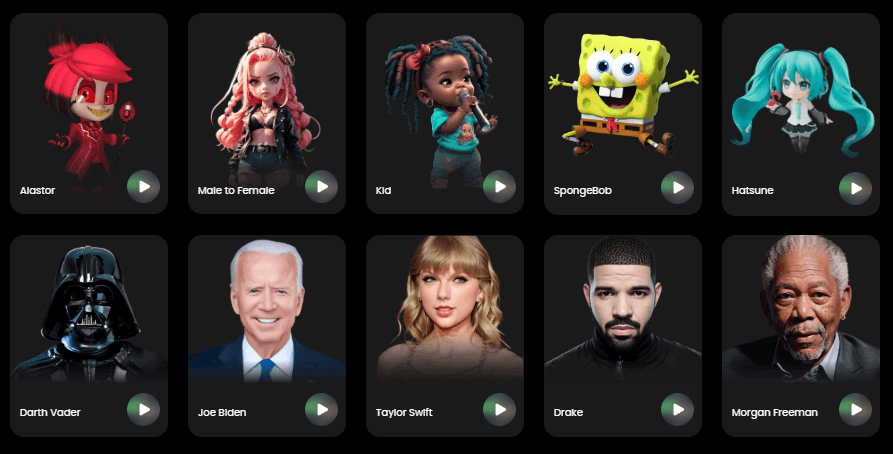
Check More Details | Download Now! | Check All Deals
Hotkey functionality is implemented well in MagicMic, allowing for quick sound triggering during gameplay or streaming. The software also supports importing your own audio files, so you’re not limited to the built-in library. If you have specific sounds you want to use, you can easily add them to your personal collection.
For those who struggle with decision-making, MagicMic includes a fun “Soundboard Selection Dice” feature that randomly selects a sound effect for you. This can be great for spontaneous content creation or just adding an element of surprise to your audio experience.

Another advantage of MagicMic is its free version, which allows you to test the software and its core features before committing to a purchase. The premium membership is reasonably priced, especially considering the breadth of features and regular content updates.
Soundux: The Cross-Platform Solution
Soundux is another excellent soundboard option, particularly notable for its cross-platform compatibility. It works on Windows, macOS, and Linux, making it a great choice if you use multiple operating systems or if your primary system isn’t Windows.

As an open-source application, Soundux shares some similarities with EXP Soundboard in terms of transparency and community development. However, it offers its own unique approach to soundboard functionality.
One of Soundux’s strengths is its focus on professional use cases. While it’s certainly capable of handling fun sound effects and meme audio, it’s also well-suited for more serious applications like presentations, advertising production, or public speaking. The interface reflects this professional orientation while remaining accessible.
The hotkey system in Soundux is robust and customizable. You can assign sounds to keyboard shortcuts that make sense for your workflow, and the software responds reliably when these keys are pressed. This responsiveness is crucial for situations where timing is important.
Soundux also offers integration with various streaming and communication platforms. Whether you’re using OBS for streaming, Discord for gaming communication, or other audio software, Soundux is designed to work smoothly within these ecosystems.
On the downside, some users have reported that the audio quality in Soundux can sometimes be lower than expected, particularly with certain file types or system configurations. This might not be an issue for casual use, but for professional applications where audio quality is paramount, it’s something to be aware of.
Clownfish Voice Changer: More Than Just a Soundboard
Clownfish Voice Changer is a well-known name in the audio manipulation space, and while it’s primarily recognized for its voice changing capabilities, it also includes solid soundboard functionality.

One of Clownfish’s advantages is its system-wide integration. Once installed, it works across your entire system, meaning you can use its features in any application—games, communication software, recording programs, etc. This universal compatibility is a significant benefit if you need consistent audio effects across multiple programs.
The soundboard component of Clownfish is straightforward but effective. You can load your favorite sounds and assign them to hotkeys for quick access. While it may not have the extensive organizational features of dedicated soundboard applications, it covers the basics well.
Clownfish also includes a music player with enhanced audio control, which can be useful if you want to incorporate music into your soundboard setup. The ability to apply voice changing effects to your microphone in real-time, combined with soundboard functionality, makes for a powerful combination.
However, some users find Clownfish’s interface less intuitive than dedicated soundboard applications. The organization of features can seem somewhat scattered, and it might take some time to learn where everything is and how to use it effectively.
Additionally, while Clownfish supports multiple languages, the translation quality can be inconsistent in some cases, which might lead to confusion for non-English speakers or those using the software in a language other than English.
JN Soundboard: The Portable Specialist
JN Soundboard is another option worth considering, particularly if portability is important to you. Like EXP Soundboard, it’s a lightweight application, but it brings some unique features to the table.

One of JN Soundboard’s standout features is its window-specific hotkey restriction. This allows you to set up hotkeys that only work when a specific application or window is active. For gamers, this means you can have soundboard keys that only function when you’re in your game, preventing accidental sound triggers when you’re doing other things on your computer.
The software also includes microphone looping functionality, which allows you to route your microphone input through a playback device. This can be useful for certain audio setups, particularly if you’re working with hardware that requires specific routing configurations.
JN Soundboard supports playing sounds through any audio device on your system, giving you flexibility in how you output your audio. This can be advantageous if you have multiple output devices and need to send soundboard audio to a specific one.
On the downside, JN Soundboard can only add one sound at a time to its library. If you have a large collection of sounds you want to import, this can be a time-consuming process compared to applications that allow batch importing of sounds.
The interface, while functional, isn’t as polished as some other options. It gets the job done, but users who prioritize aesthetics might find it somewhat lacking.
Caster Soundboard: The Podcasting Powerhouse
Caster Soundboard is designed with podcasting and professional audio production in mind. While it works on multiple operating systems, it was originally developed for Linux, which might appeal to users of that platform.
One of Caster Soundboard’s most interesting features is its support for Open Sound Control (OSC). This protocol allows you to control the soundboard remotely from other devices, such as smartphones or tablets. If you use apps like TouchOSC on your mobile device, you can create custom control surfaces for your soundboard, which can be incredibly useful during live recordings or broadcasts.
The ability to save soundboard profiles is another useful feature, especially for podcasters who might have different sound sets for different shows or segments. You can quickly switch between profiles as needed without having