 TOOL HUNTER

Ever wondered what it would be like to have Zendaya’s voice speaking your words? With today’s AI technology, creating a convincing Zendaya ai voice is not only possible but surprisingly accessible. Whether you’re making fan content, creative projects, or just having fun, the ability to generate authentic-sounding celebrity voices has opened up exciting new possibilities in digital content creation.
The process involves two main components: face swapping and voice generation. While face swapping technology has been around for a while, recent advances in AI voice synthesis have made it possible to create remarkably realistic vocal performances that capture the unique qualities of a celebrity’s speaking patterns.
Table of Contents
- Understanding Zendaya and Deepfake Technology
- Creating Zendaya Deepfake Content
- Combining Voice and Video
- Legal and Ethical Considerations
- Applications of Zendaya AI Voice Technology
- Technical Limitations and Challenges
- Future Developments in AI Voice and Deepfake Technology
- Frequently Asked Questions
- Conclusion
Understanding Zendaya and Deepfake Technology
Before diving into the creation process, it’s helpful to understand both the celebrity we’re focusing on and the technology that makes these creations possible.
Who is Zendaya?
Zendaya Maree Stoermer Coleman, known professionally as Zendaya, has become one of Hollywood’s most prominent young talents. She first gained recognition for her role as Rocky Blue on the Disney Channel series “Shake It Up,” but her career has expanded far beyond her Disney roots. Her breakthrough film role came as Michelle “MJ” Jones in the Marvel Cinematic Universe’s Spider-Man films, beginning with “Spider-Man: Homecoming.”
Her critically acclaimed performance in the HBO series “Euphoria” showcased her dramatic range and earned her two Primetime Emmy Awards, making her the youngest lead drama actress winner in Emmy history. She also received a Golden Globe Award for her work on the series. Beyond acting, Zendaya has pursued music and fashion, becoming a style icon and using her platform to advocate for various social causes.
What Exactly is Deepfake Technology?
Deepfake technology represents a significant advancement in artificial intelligence and digital media manipulation. At its core, deepfake refers to synthetic media where a person’s appearance or voice is replaced with someone else’s, creating convincing but artificial content. The term itself combines “deep learning” and “fake,” highlighting the AI methodology behind these creations.
The technology works by using machine learning algorithms, particularly generative adversarial networks (GANs), which are trained on extensive datasets of the target person’s images, videos, or audio recordings. These algorithms learn the subtle patterns, movements, and characteristics that make up a person’s appearance and voice, then apply these learned patterns to new content.
For video deepfakes, the process typically involves face swapping, where the AI identifies facial features in both source and target videos, then seamlessly transplants one person’s face onto another’s body while maintaining natural movements and expressions. For audio deepfakes, the technology analyzes speech patterns, intonations, and vocal characteristics to generate new speech that sounds like the target person.
Creating Zendaya Deepfake Content
Making convincing Zendaya deepfake content requires two main components: generating her voice and swapping her face. Each requires specialized tools and careful execution to achieve believable results.
Generating Zendaya AI Voice
The first step in creating Zendaya content is generating her distinctive voice. This requires advanced AI voice technology that can capture her unique vocal qualities, speech patterns, and emotional inflections.
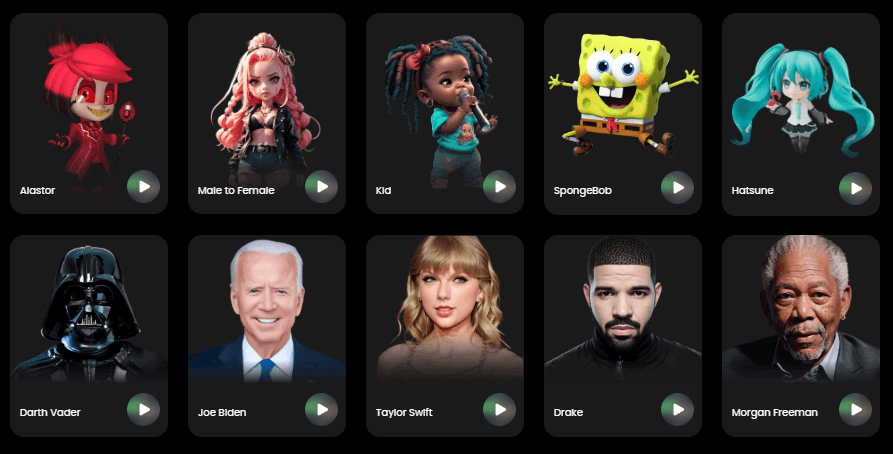
iMyFone MagicMic.Best Real Time AI Voice Changer.MagicMic is a professional real-time AI voice changer that changes your voice while communicating online. It’s easy to use, has extremely low latency, features high quality AI voices and is compatible with all systems. Discover 500+ AI voices and 100K+ meme soundboards with MagicMic today!
Check More Details | Download Now! | Check All Deals
MagicMic stands out as one of the most effective tools for creating celebrity voice replicas, including a convincing Zendaya ai voice. The software uses sophisticated AI algorithms to transform your voice in real-time or through recorded audio, offering remarkable accuracy in mimicking specific vocal characteristics.
Here’s how to use MagicMic to create Zendaya’s voice:
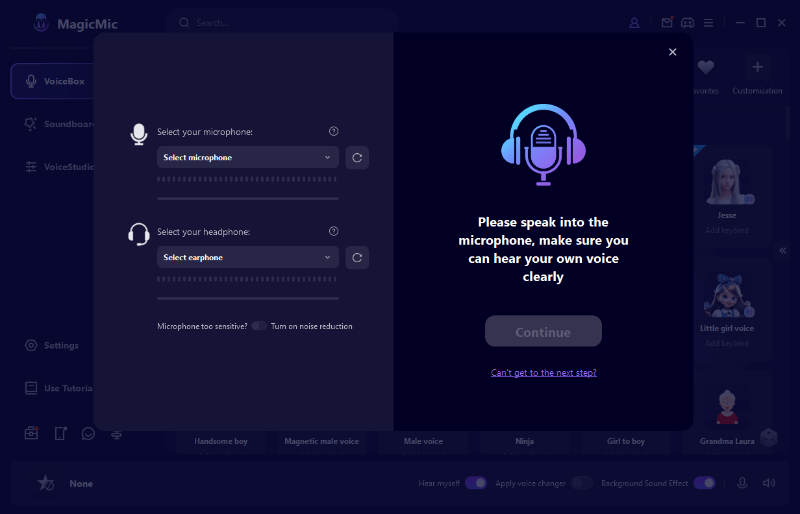
Step 1: Download and install MagicMic on your Windows or Mac computer. Launch the application and configure your audio input and output devices to ensure optimal performance.
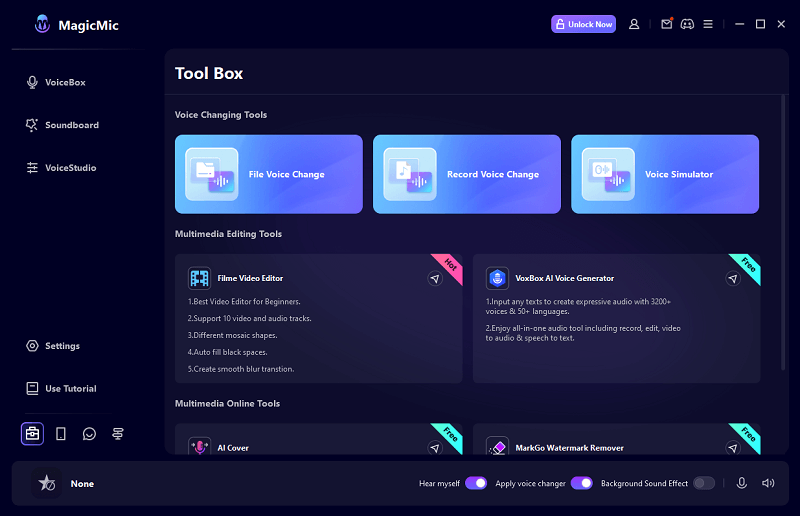
Step 2: Navigate to the ToolBox section within the application and select the Record Voice Change feature. This allows you to record your own voice and transform it into Zendaya’s voice.
Step 3: Click the record button and speak your desired dialogue. The AI will process your voice and transform it into Zendaya’s distinctive vocal pattern. You can then export the audio file for use in your video projects.
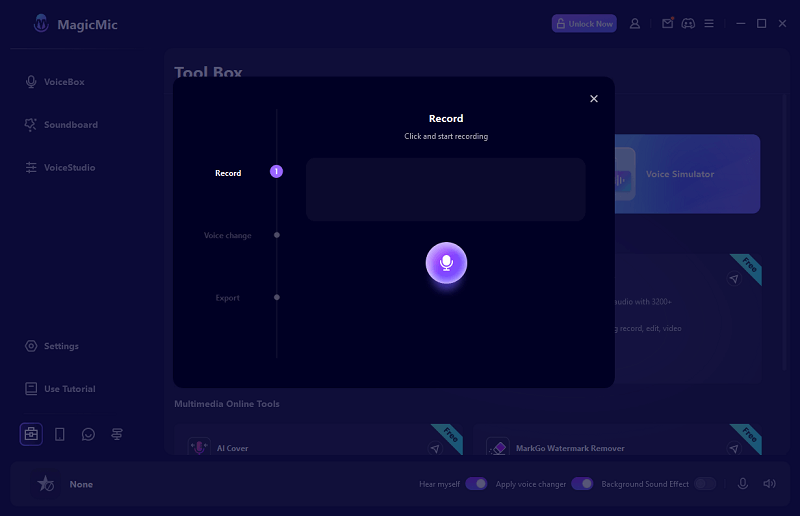
The quality of the Zendaya ai voice generated through MagicMic is particularly impressive because the software captures not just the basic tone but also the subtle inflections and speech patterns that make her voice recognizable. This attention to detail is what separates basic voice changers from professional-grade AI voice synthesis tools.
Creating Zendaya Face Deepfakes
Once you have the audio component ready, the next step is creating the visual deepfake. This involves swapping faces in existing video content to make it appear as though Zendaya is performing your script.
Wefaceswap provides an accessible platform for creating face swap deepfakes without requiring advanced technical skills. The web-based tool uses AI to analyze facial features and seamlessly transplant one person’s face onto another while maintaining natural movements and expressions.
Here’s the step-by-step process for creating Zendaya face deepfakes using Wefaceswap:
Step 1: Access the Wefaceswap website through your web browser. The platform offers a straightforward interface designed for users of all experience levels. Click on the “Let’s Faceswap” button to begin the process.
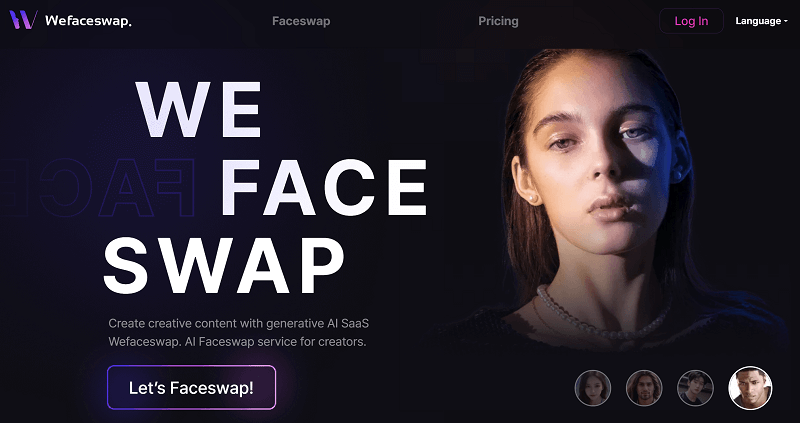
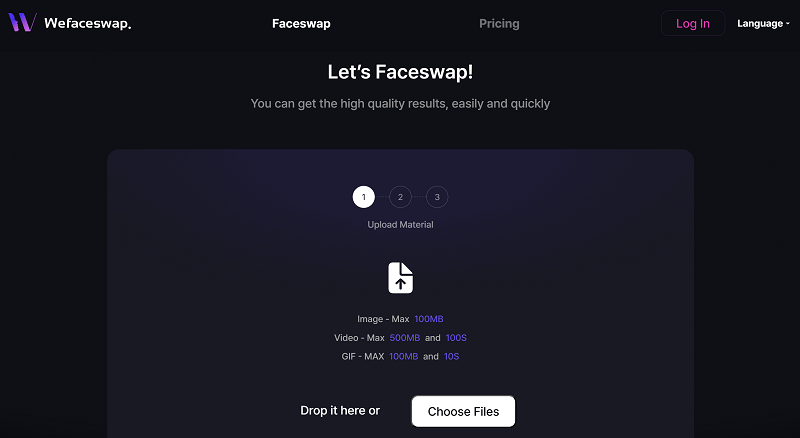
Step 2: Upload your source video by clicking “Choose Files” and selecting the video from your computer. This video will serve as the foundation for your deepfake, providing the body movements, background, and context for Zendaya’s face.
Step 3: The AI will analyze the video to detect and map facial features. This process may take several minutes depending on the length and complexity of your source video. The system automatically identifies facial landmarks and prepares for the swapping process.
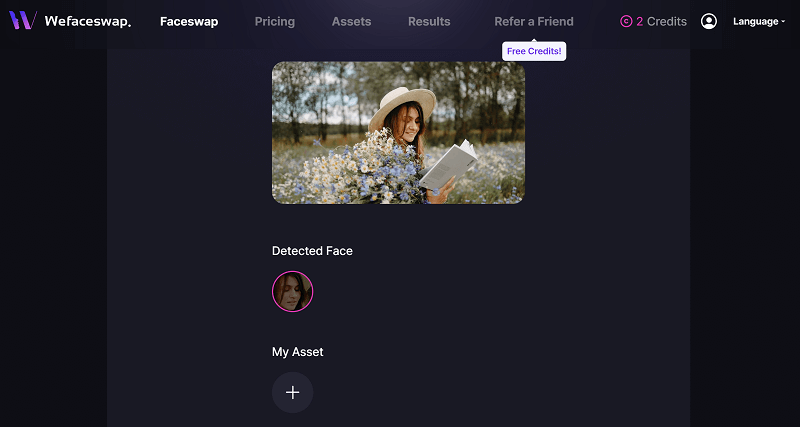
Step 4: Add Zendaya’s face to your asset library by clicking the “+” button under “My Asset.” Select high-quality images of Zendaya’s face from multiple angles to give the AI the best reference material. Once uploaded, select her face as the replacement and click “Let’s Faceswap!” to begin the transformation.
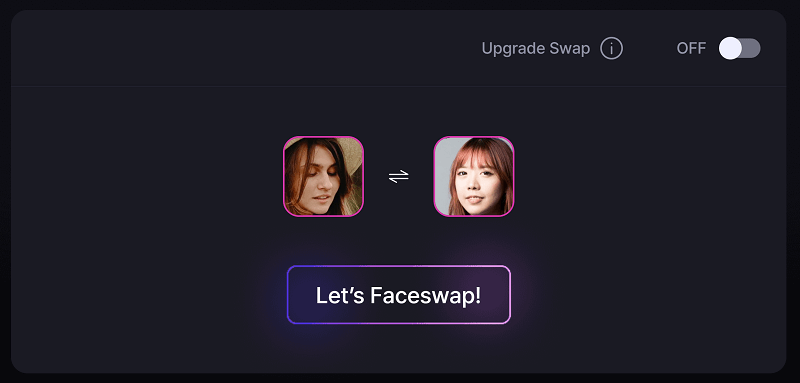
The AI will process the video, frame by frame, swapping the original face with Zendaya’s. The result is a surprisingly convincing video that maintains the original performance’s movements and expressions while featuring Zendaya’s appearance.
Combining Voice and Video
After generating both components, the final step is combining your Zendaya ai voice with the face-swapped video. This requires basic video editing software to synchronize the audio with the visual performance.
Most standard video editors, including free options like iMovie or Windows Video Editor, can handle this task. Simply import both files, align the audio with the mouth movements in the video, and make any necessary adjustments to timing. The goal is to create a seamless integration where the voice appears to naturally emanate from the person on screen.
For more advanced users, software like Adobe Premiere Pro or Final Cut Pro offers greater control over audio-visual synchronization and additional polishing tools to enhance the final product’s realism.
Legal and Ethical Considerations
As with any technology that replicates real people, creating Zendaya deepfake content raises important legal and ethical questions that creators must consider.
Is Creating Zendaya Deepfake Content Legal?
The legality of deepfake creation exists in a complex gray area that varies by jurisdiction. In most cases, creating deepfake content of celebrities like Zendaya for personal, non-commercial use falls into a legally ambiguous space. However, several factors can push such creations into illegal territory:
- Commercial use of deepfakes without permission typically violates right of publicity laws
- Defamatory or harmful content can lead to legal liability
- Using deepfakes for fraudulent purposes is generally illegal
- Creating explicit content using someone’s likeness without consent may violate specific laws in many jurisdictions
It’s worth noting that Zendaya, like other celebrities, has legal protections for her likeness and voice. Unauthorized commercial exploitation of deepfakes featuring her image or voice could potentially lead to legal action.
Ethical Guidelines for Deepfake Creation
Beyond legal considerations, ethical guidelines should inform your use of deepfake technology:
- Always disclose when content has been artificially generated
- Avoid creating content that could harm the subject’s reputation
- Respect the individual’s right to control their own image and voice
- Consider the potential impact on viewers who might mistake the content for genuine
- Never use deepfakes for malicious deception or fraud
Many creators include disclaimers identifying their work as AI-generated content to maintain transparency with their audience. This practice helps distinguish creative expression from attempts to deceive.
Applications of Zendaya AI Voice Technology
The ability to generate Zendaya ai voice opens up numerous creative and practical applications:
Fan Content and Parodies
Fans can create original content featuring Zendaya’s voice for non-commercial entertainment. This includes parody videos, fan films, and creative projects that pay homage to the actress’s work. The key is maintaining a respectful approach that celebrates rather than exploits her public persona.
Educational and Accessibility Uses
AI voice technology can have legitimate educational applications. For instance, creating language learning materials with familiar voices or generating audio content for visually impaired audiences. These applications demonstrate the positive potential of voice synthesis technology.
Creative Projects and Artistic Expression
Filmmakers and digital artists can use AI voice technology for experimental projects, animated content, or other creative endeavors where obtaining the actual celebrity’s participation isn’t feasible. When used transparently and artistically, these applications represent a new frontier in digital creativity.
Technical Limitations and Challenges
Despite significant advances, current deepfake technology still faces certain limitations that creators should understand:
Detection of Artificial Content
While deepfakes have become increasingly convincing, trained observers and specialized detection software can often identify telltale signs of manipulation:
- Inconsistent lighting and shadows on the face
- Slight mismatches in skin texture or color
- Unnatural eye movements or blinking patterns
- Imperfect lip synchronization with audio
- Artifacts around the hairline or facial contours
As detection technology improves, so does generation technology, creating an ongoing arms race between creation and detection methods.
Voice Synthesis Challenges
Creating a perfect Zendaya ai voice also presents specific challenges:
- Capturing unique emotional inflections and speech cadences
- Maintaining consistency across different emotional states
- Replicating the subtle breath sounds and mouth noises that characterize natural speech
- Adapting to different recording environments and acoustic properties
Despite these challenges, tools like MagicMic have made remarkable progress in creating convincing voice replicas that satisfy most casual listening contexts.
Future Developments in AI Voice and Deepfake Technology
The field of AI-generated media continues to evolve rapidly, with several trends likely to shape future developments:
Improved Realism and Accessibility
As AI models become more sophisticated and training datasets expand, the realism of both voice and video deepfakes will continue to improve. Simultaneously, user-friendly tools are making this technology accessible to increasingly broader audiences without technical expertise.
Real-time Applications
Current technology already enables some real-time voice transformation, but future developments may allow for real-time video deepfakes during live streams or video calls, opening up new possibilities for entertainment and communication.
Ethical Frameworks and Regulations
As the technology becomes more prevalent, we can expect more developed legal frameworks and ethical guidelines to emerge. These will likely balance creative freedom with protection against misuse, potentially including verification systems to identify synthetic media.
Frequently Asked Questions
How can people detect deepfake videos?
Deepfake detection typically involves looking for subtle imperfections that even advanced AI struggles to perfect. Common indicators include unusual blinking patterns, inconsistent lighting on the face compared to the environment, slight facial distortions during rapid movements, imperfect lip synchronization with audio, and artifacts around the edges where the face meets hair or background. Voice deepfakes might show unnatural speech rhythms or emotional inconsistencies.
What’s the most common type of deepfake content?
Face swapping remains the most prevalent form of deepfake content, largely because the technology has matured significantly and become more accessible through user-friendly platforms. This involves replacing one person’s face with another’s in existing video footage. The popularity of celebrity face swaps, including Zendaya deepfakes, demonstrates the broad appeal of this application.
Have movie studios used deepfake technology?
Yes, the film industry has increasingly embraced deepfake-adjacent technology for various practical applications. This includes digital de-aging of actors (seen in films like “The Irishman”), resurrecting deceased actors for cameo appearances, and completing scenes when actors are unavailable. While major studios often use more sophisticated proprietary technology, the underlying principles share similarities with consumer deepfake tools.
Conclusion
Creating convincing Zendaya deepfake content with authentic Zendaya ai voice has become increasingly accessible thanks to tools like MagicMic and Wefaceswap. These platforms democratize technology that was once available only to experts with substantial resources, opening up new creative possibilities for fans and content creators.
iMyFone MagicMic.Best Real Time AI Voice Changer.MagicMic is a professional real-time AI voice changer that changes your voice while communicating online. It’s easy to use, has extremely low latency, features high quality AI voices and is compatible with all systems. Discover 500+ AI voices and 100K+ meme soundboards with MagicMic today!
Check More Details | Download Now! | Check All Deals
However, this accessibility comes with responsibility. As these tools become more powerful and widespread, ethical considerations around consent, transparency, and potential misuse become increasingly important. Creators should approach this technology with respect for the individuals whose likenesses they’re using and with consideration for how their content might be perceived.
The future of AI-generated media promises even more sophisticated tools for creating realistic content, but it also highlights the need for media literacy and critical consumption. As the line between real and synthetic content blurs, understanding how this technology works becomes valuable not just for creators but for everyone navigating our increasingly digital world.
Whether you’re experimenting with Zendaya ai voice for creative projects, educational purposes, or simply out of curiosity, approaching this technology with both enthusiasm and ethical awareness will ensure you make the most of its possibilities while respecting its implications.
Some images courtesy of iMyFone